By Norman R.
Property owners managing residential or commercial real estate investments across the United States frequently underestimate the intense labor, specialized chemical knowledge, and advanced equipment logistics required to complete a high-end property restoration, leading them to ask: why should you hire a professional painter? The definitive technical answer is that professional contractors provide an integrated execution framework featuring comprehensive structural preparation, certified environmental safety compliance, precise wet-and-dry film thickness management, and specialized commercial-grade coating selection that single-family DIY attempts simply cannot duplicate. Bypassing a licensed painting service in favor of cheap, sub-contracted retail crews or self-executed labor always increases the overall property lifecycle expense, resulting in immediate failures such as flashing patches, roller tracking lines, premature external delamination, and ruined finish trim. For real estate assets throughout the diverse territories of the United States, utilizing a professional trade team secures absolute architectural longevity, ensures code-compliant safety, and drives substantial increases in property equity value.
Overview
Selecting a professional painting service over generic home centers requires an analytical look at substrate mechanics, chemical polymer cross-linking windows, and mechanical adhesion profiles. Spreading an advanced waterborne architectural coating smoothly demands field-trained expertise because removing old toxic paints, identifying hidden moisture traps, and handling high-viscosity resins requires specialized industrial training. Across the distinct geographic climate zones of the United States, buildings handle varying environmental stresses and seasonal home cycles. For example, residential properties in high-humidity coastal territories face continuous airborne moisture penetration that destroys unprimed siding, Northern suburban properties endure deep freeze cycles that cause exterior trim moldings to shrink and warp rapidly, and expansive sun-drenched homes in Western zones experience extreme ultraviolet radiation that oxidizes standard consumer paints within months. Below, we break down the exact industrial workflows, safety standards, and performance metrics that reveal why investing in professional trade craftsmanship is the smartest choice for your property portfolio.
Quick Reference Professional Painting Values
- Scientific Substrate Optimization: Professional crews dedicate seventy percent of their labor timeline to aggressive chemical washing, structural profiling, and multi-surface priming before opening a finish can.
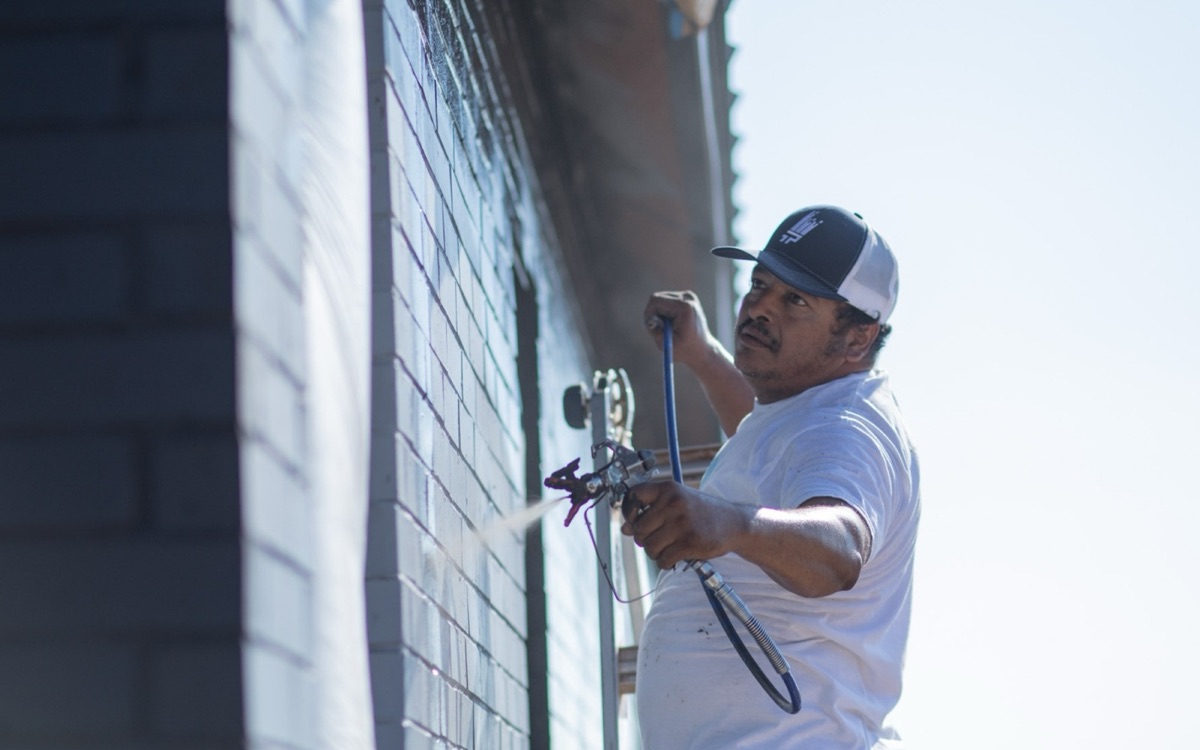
- Commercial-Grade Tooling: Licensed contractors utilize professional High-Volume Low-Pressure (HVLP) sprayers, casting-aluminum frames, and dust-extracting vacuums to secure a factory-smooth finish.
- Certified Structural Lifespans: Professional paint applications build a controlled dry film thickness that guarantees up to four times the operational lifespan of a standard DIY single-coat layout.
- Strict Regulatory Safety: Professional contractors assume all operational liabilities, utilizing OSHA-certified scaling equipment and managing strict zero-VOC mandates to protect pediatric air quality.
The Architectural Science of Professional Prep Work
Why Decontamination Passes Dictate Coating Longevity
The primary element that separates amateur home improvements from a certified architectural finish is the intensity of the substrate decontamination pass. Interior and exterior partitions across United States homes naturally gather layers of invisible chemical contaminants over years of daily occupancy. Interior walls collect airborne cooking oils, localized skin oil matrices around high-contact light switch openings, and microfine household dust. Exterior sidings accumulate vehicle exhaust residues, localized wind-blown grime, and microscopic fungal spores.
If you skip chemical washing and apply a new coat of retail paint directly over these greasy areas, the new liquid cannot make physical or chemical contact with the underlying wall plane. The paint will dry on top of the grease layer as a floating, brittle plastic skin. Within months, minor everyday impacts or seasonal changes will cause the topcoat to chip, blister, and peel away in large sheets because it lacks a true mechanical bond with the substrate. Why should you hire a professional painter? Professional interior painting services utilize targeted chemical washes, such as trisodium phosphate (TSP) alternative solutions, to dissolve these oily barriers completely down to a clean base material before any paint is applied.
Mechanical Abrasion Profiles and Dust Extraction Technology
Once your walls are chemically clean and completely dry, professional crews move to mechanical surface abrasion rather than skipping straight to paint. Existing interior paint films naturally build up a slick, hardened skin as they age, especially if the room was originally finished with a satin, semi-gloss, or factory clear coat. Applying fresh paint over a slick, un-sanded wall provides no grip for the new resin polymers.
Professional technicians utilize heavy-duty drywall pole sanders equipped with 120-grit to 150-grit aluminum oxide sandpaper to cut through this smooth outer skin. This mechanical abrasion leaves behind a subtle, uniform profile texture that allows your new paint coat to lock tightly onto the wall, preventing premature wear and chipping. Furthermore, professional teams never allow fine white drywall dust to hang in the air or settle back into wet paint. They deploy industrial vacuums equipped with HEPA filtration setups to extract microfine dust instantly, an essential baseline step we outline in our master manual on can you use old paint.
The Chemistry of Film Build and Material Engineering
Managing Wet and Dry Film Thickness with Notch Gauges
Amateur painters frequently apply paint unevenly, spreading the product too thin to save money or slapping it on in thick, single coats to speed up the project timeline. Spreading paint too thin destroys its hiding power, leaving behind visible roller track lines and an uneven sheen finish that will require extra material to fix. Applying paint in thick, single layers causes the wet coating to sag down vertical casings, pool inside corners, and trap air bubbles that turn into ugly pinholes when cured.
Professional crews manage their material application rates using scientific precision. Technicians utilize stainless steel wet film thickness (WFT) notch gauges throughout the application process to check that the wet liquid layer measures a consistent 3.5 to 4.0 mils per coat. This controlled layout ensures that as the water vehicle evaporates, the remaining solids build a dry film thickness (DFT) that satisfies strict manufacturer warranty specifications. Managing these mil targets precisely allows premium paints to achieve their true strength, maximum washability, and intended color richness over years of service.
Pro Tip 1: Measuring Porous Substrate Suction Flashing
Field-trained paint engineers prevent a common defect known as suction flashing or ghosting by evaluating a wall’s porosity before applying finish colors. Dried drywall spackling compounds and raw gypsum patches are highly porous, behaving exactly like a sponge when exposed to liquid. If you apply finish paint directly over a fresh repair patch, the compound will rapidly suck the moisture out of the wet paint, ruining its natural self-leveling process and leaving behind flat, dull, blotchy lines. Professional crews spot-prime every repair using low-VOC polyvinyl acetate (PVA) drywall primers to seal porous compounds completely, ensuring your topcoats dry at a perfectly uniform rate across the wall plane, a professional standard we provide through our dedicatedcabinet painting serviceand wall restoration lines.
Specifying Cross-Linked Resin Technology over Standard Latex
Hiring a certified contractor gives you access to advanced, commercial-grade architectural coatings that are rarely sold to the general public in retail home centers. While consumer-grade paints rely on simple vinyl-acrylic blends that pack together loosely as they dry, high-performance professional paints utilize advanced self-cross-linking resin technology, such as specialized waterborne acrylic urethanes and polyurethane-modified alkyd enamels.
As these premium paints dry, their reactive monomers form strong chemical bonds across the entire layer. This cross-linking process changes the liquid paint into a tough, continuous plastic shield that has zero microscopic pores. This dense film blocks water, household oils, and grease from penetrating the surface, allowing you to wash away dirt and scuff marks repeatedly without wearing down the color or creating permanent shiny burnish spots on flat finishes. These high-durability coatings are highly practical for high-traffic zones like kitchens, hallways, and busy children’s bedrooms, as we outline in our national guide on what is color drenching.
Operational Safety Logistics and Risk Mitigation
Mitigating Fall Vectors via OSHA Compliant Rigging Systems
Painting multi-story entryways, high vaulted ceilings, and complex exterior fascia boards presents serious physical safety hazards that untrained property owners should never risk. Attempting to balance heavy paint pails while standing on shaky retail extension ladders is a leading cause of severe residential construction injuries across the United States. Professional painting crews complete comprehensive safety training programs to manage these physical hazards safely.
Licensed contractors deploy OSHA-certified rigging systems, including heavy-duty aluminum extension ladders fitted with automatic levelers, multi-tier steel scaffolding units, and articulating mechanical boom lifts for extreme heights. These advanced staging systems allow the painter to maintain a balanced, ergonomic position while applying paint, eliminating fall risks and ensuring crisp, clean line control across high window headers and steep roof lines. Delegating these dangerous tasks to a fully insured professional crew shields you from personal physical injuries and keeps your property safe.
Pro Tip 2: The Multi-Surface Masking Knife Activation Step
Achieving razor-sharp, professional paint lines along baseboards, window casings, and door headers requires mastering advanced geometric masking techniques. Simply sticking painter’s tape along an edge is not enough to stop liquid leaks. Standard wood trim features small grain variations and subtle surface dips that create microscopic gaps beneath flat tape. Professional painters press down firmly along the entire edge of the tape using a hard plastic putty knife. This physical pressure activates the tape’s pressure-sensitive acrylic adhesive backing, molding it tightly into every tiny dip in the wood trim to create an absolute barrier against liquid paint seepage.
Shifting Asset Damage Liabilities via Certified Trade Insurance
When a homeowner attempts a major DIY painting project or hires unlicensed independent labor, they assume full financial responsibility for any accidental property damage or personal workplace injuries that happen during the project. Simple mistakes like dropping a five-gallon bucket of colored paint down a finished hardwood staircase, breaking a historical window sash, or causing water damage to unsealed trim work can quickly lead to thousands of dollars in out-of-pocket repair costs.
Professional painting companies eliminate this financial risk by carrying comprehensive commercial general liability insurance and active workers’ compensation protection. If an accidental spill or structural breakage happens during the project, the contractor’s insurance policy handles all repair and restoration expenses completely. Verifying that your project is backed by active commercial coverage shields your property investment and provides absolute peace of mind while your home is transformed.
How Do US House Designs and Climates Guide Professional Projects?
How Regional Atmospheric Quality Alters Polymer Open Times
To ensure your home transformation holds up beautifully over time, your painting crew must align their application steps with the specific climate conditions of your local environment. Buildings across the United States face unique indoor and outdoor lighting environments driven by regional weather, local humidity shifts, and seasonal HVAC use. These factors directly change how your coatings dry and how your tools behave.
In humid coastal regions or during sticky summer months, high moisture levels in the air slow down the water evaporation process significantly. While a waterborne paint layer may feel dry to the touch in an hour, it can take up to four weeks to fully complete its chemical cross-linking process and achieve maximum surface hardness. Professional crews track these atmospheric levels using digital hygrometers, running central air conditioning or dehumidifiers to stabilize the workspace before starting application. Conversely, in dry desert climates, the air is incredibly dry, causing paints to dry very rapidly. This requires installers to add specialized flow extenders to keep the wet edge workable and prevent visible lap marks.
How Architectural Styles Guide Tool Selection and Material Prep
The style and age of your home also play a major role in your overall preparation choices and material budgets. Older historic homes across the United States often feature traditional lath and plaster walls rather than modern paper-faced drywall panels. Plaster is a dense, highly porous material that expands and contracts differently than drywall, which frequently leads to minor stress cracks along window frames and door headers as the foundation shifts over time. Plaster surfaces absorb water from coatings rapidly, requiring a dedicated alkali-resistant primer coat to stabilize the wall before painting.
When preparing an older property for a fresh look, using proper surface stabilization steps is critical to protect your walls, as outlined in our technical article on can you clean limewashed brick. For modern homes with large open-concept layouts, your application work must be flawless because long walls flooded with sunlight from large windows will easily reveal every single minor bump or uneven texture. Using proper pole sanders, premium primers, and fine-finish spray steps is the only way to ensure your expansive walls look beautiful and uniform under intense natural light, a professional standard we provide through our comprehensive national services.
Professional vs. DIY Application Performance Index
Review this database reference matrix to evaluate the operational performance, safety, and material lifespans achieved by professional trade applications versus standard consumer DIY attempts.Performance AttributeStandard Consumer DIY PassProfessional Trade ApplicationPrimary Operational AdvantageSubstrate Prep AllocationLow (Under 10 Percent Time)High (Over 70 Percent Timeline)Eliminates early paint peeling and chipping.Application EquipmentDisposable Polyethylene BrushesHVLP Sprayers / Microfiber SleevesSecures smooth, factory-grade finishes without lines.Stain Blocking PerformanceWeak (Stains Bleed Through)Absolute (Solvent Resin Shield)Imprisons water rings, grease, and wood tannins.Average Dry Film BuildUncontrolled / Variable MilsRegulated 3.5 to 4.0 Mils CoatGuarantees maximum color hide and wash durability.Workplace Liability RiskFull Owner Liability AssumedZero Risk / Insured ContractorProtects property assets from accidental damage.
FAQs
Why does professional painting cost more than hiring a general handyman?
Professional painting services carry higher initial rates than generic handymen because dedicated contractors specialize in advanced substrate prep, invest in commercial-grade spray systems, and carry full commercial liability and workers’ compensation insurance. A general handyman often skips mandatory mechanical sanding and uses cheap, low-solids paint that will flash and peel away under normal wear. Hiring a specialist ensures your coating system cures properly, protecting your investment and saving you money on early repairs.
How many hours should you wait before sleeping in a recently painted room?
When a professional crew applies premium certified zero-VOC, low-odor acrylic interior paints under standard room conditions, family members can safely return to sleep in their bedroom roughly 24 hours after the final topcoat is applied. Even though zero-VOC paints do not release harmful petroleum solvents, the setting paint layers still release moisture and trace processing vapors as they harden. Keeping the room well-ventilated with running fans during this first 24-hour window ensures a completely fresh sleeping environment.
Can a professional painter wash away heavy grease stains from kitchen walls without ruining the drywall?
Yes, professional painting crews can completely remove stubborn cooking grease, soot residues, and heavy skin oils from kitchen walls using a targeted wash with a trisodium phosphate substitute solution paired with non-marring abrasive pads. This chemical cleaning cuts through grease without soaking or damaging the underlying paper face of the drywall panels. Once clean, the crew applies a dedicated stain-blocking primer coat to trap any remaining grease molecules safely beneath the new paint film.
Why does painter’s tape sometimes leave jagged, messy edges when pulled away from wood trim?
Painter’s tape leaves jagged, messy edges if it is left on the trim for too long after application, or if the installer fails to pull the tape away at the correct time. If you allow your new paint film to dry and cure completely over the tape line, the acrylic resins will form a continuous plastic sheet across the tape edge. Pulling dry tape away later tears the hardened paint film along the wall. To prevent this, professional painters pull the tape back smoothly at a sharp 45-degree angle while the final topcoat is still slightly wet.
Do you need to empty every piece of furniture out of a room before the painting crew arrives?
While removing small decorative items, fragile electronics, and loose wall art is highly recommended, you do not need to clear large furniture pieces entirely out of the room. Professional painting crews handle furniture logistics systematically as part of their service package. The team will move heavy items like couches, beds, and bookcases carefully into the absolute center of the room, grouping them together and sealing the entire cluster beneath clean, heavy-duty polyethylene drop cloths to guarantee full protection from airborne paint mist or accidental drips.
Ready to Upgrade Your Home’s Finish with Flawless Professional Care?
Refreshing your home interior or exterior with an advanced, commercial-grade coating system executed by a trained professional crew is the fastest way to protect your investment and dramatically boost your real estate value. Don’t risk messy lines, flashing patches, or premature paint peeling on your home’s finest architectural features.
Reach out to the expert national team at That 1 Painter today to schedule your detailed, obligation-free on-site project estimate, and give your property the beautiful, long-lasting protection it deserves.