By Norman R.
Property owners managing residential or commercial real estate investments across the United States frequently seek to streamline their property renovations, leading them to ask what tools do you need to paint a room like a pro. The definitive technical answer is that achieving a professional-grade interior finish requires an integrated system of specialized tools, including chemically tipped polyester-nylon blend sash brushes, rigid dual-prong cage roller frames, high-capacity microfiber roller sleeves, and professional drywall preparation equipment like pole sanders and canvas drop cloths. Attempting to execute an interior room renovation using low-cost, plastic retail paint kits results in uneven material application, heavy brush tracking, and accidental paint drips that ruin finished flooring. For properties throughout the diverse geographic territories of the United States, assembling an expert toolkit is a critical operational layout step that guarantees maximum coating adhesion, precise edge lines, and long-term real estate asset equity.
Overview
Using low-grade applicators to spread high-performance architectural coatings destroys the self-leveling chemistry built into modern waterborne paints. High-viscosity acrylic resins demand heavy-duty tools that maintain their structural shape under physical pressure and load liquid paint efficiently without shedding loose fibers into the wet film. Across the varied housing markets of the United States, building layouts present distinct application challenges. For example, homes in hot, dry desert regions require applicators that hold extra liquid to prevent the wet edge from drying too quickly, historic northern homes with intricate wood trim require precision chiseled sash brushes, and modern open-concept properties demand long extension poles to coat expansive walls flooded with natural light. Below, we break down the exact tool classifications, hardware configurations, and professional field standards required to dress your workspace for a flawless finish.
Quick Reference Professional Painting Toolkit
- Premium Synthetic Angled Brushes: Use 2.5-inch chiseled nylon-polyester blend sash brushes to secure razor-sharp cut lines along ceilings and baseboards without masking tape.
- Rigid Cast-Aluminum Roller Frames: Invest in a heavy-duty cage roller frame with a threaded handle to stop the paint roller sleeve from slipping or flexing under downward physical pressure.
- High-Capacity Microfiber Sleeves: Select non-shedding microfiber roller covers with a 3/8-inch nap for smooth drywall to maximize liquid retention and eliminate visible tracking ridges.
- Heavy-Duty Canvas Drop Cloths: Protect floor assemblies with tight-weave canvas drop cloths that absorb accidental spills, bypassing thin plastic sheeting that easily tears and tracks wet paint.
- Adjustable Fiberglass Extension Poles: Attach a locking, telescoping extension pole to your roller frame to maintain uniform pressure and paint smoothly from the ceiling down to the floor.
What Are the Absolute Best Paint Brushes for Cutting In?
Why Do Chemically Tipped Tapered Filaments Matter for Edge Precision?
When analyzing what tools do you need to paint a room, many DIY installers mistakenly buy cheap, square-cut utility brushes with stiff nylon bristles. These basic tools are a prime cause of messy, uneven trim paint jobs. Coarse bristles apply uneven pressure across the wet film, cutting deep channels into the wet coating that remain visible as the paint cures. Furthermore, untapered bristles dump their paint load all at once, leading to heavy runs and drips along corners.
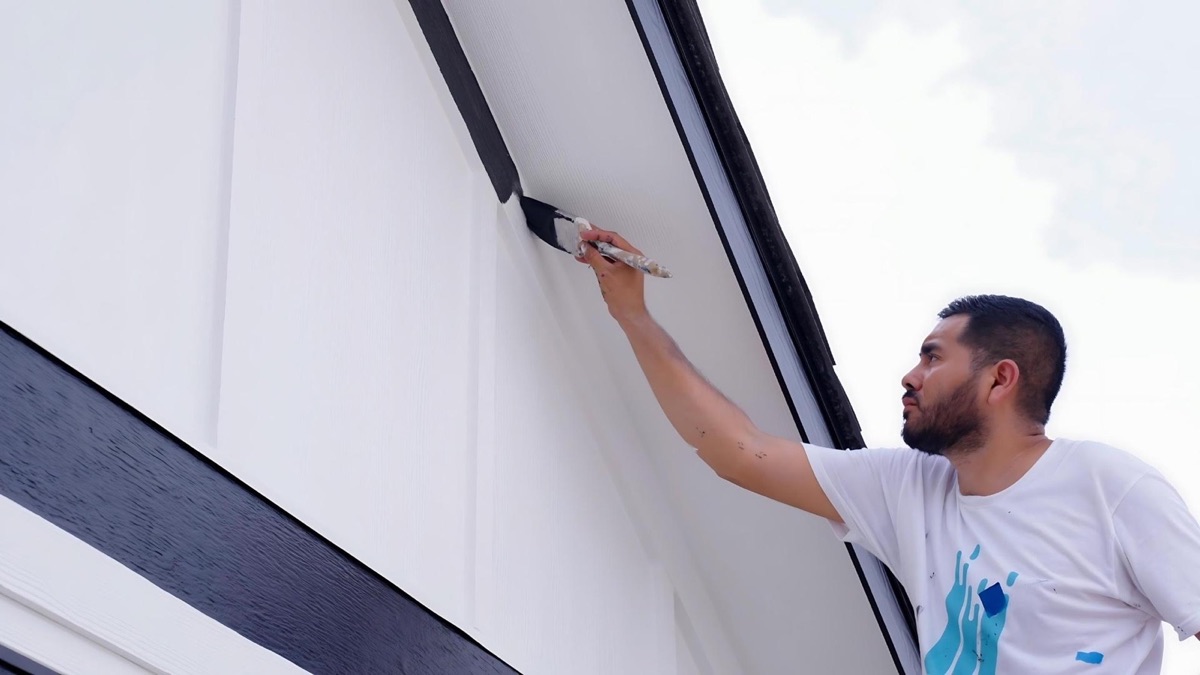
Professional painting crews select chiseled angled sash brushes built with a blend of chemically tipped nylon and polyester filaments. The synthetic strands are split at the ends at the factory to mimic organic animal hair. This design changes how the bristles behave. Chemically tipped filaments form a built-in capillary paint reservoir that holds a high volume of liquid, which leads directly to a uniform fluid release rate onto your walls. The natural slant of the angled sash brush matches the ergonomic angle of a human hand, letting the painter place the longest point of the bristles precisely into tight junctions for a straight line.
How Do Nylon and Polyester Blends Maintain Stiffness in Fluid Emulsions?
The specific mix of plastics inside your paintbrush head dictates how well it maintains its structural shape throughout a long project. Pure nylon bristles are flexible and smooth, but they absorb a small amount of water from waterborne paints. In high-humidity environments, a pure nylon brush can become overly soft and lose its stiffness, causing the head to flair out and ruin your straight cut lines.
To prevent this tool failure, professional-grade brushes incorporate thick polyester filaments alongside the nylon strands. Polyester provides structural strength and physical stiffness, ensuring the brush keeps its clean cutting edge even when exposed to heavy water-based latex paint. This reliable stiffness lets you cut razor-sharp lines along ceiling edges, window frames, and narrow door casings without relying on slow, expensive masking procedures. For a deep look at how these high-quality tools apply across other detailed household features, check out our operational guide on fine finish cabinet painting steps.
What Are the Correct Tool Configurations for Wall Rolling?
Why Do Rigid Cast-Aluminum Roller Frames Eliminate Track Ridges?
The mechanical connection between your hand and the wall surface directly changes the flatness of your final finish paint layer. Low-cost retail roller frames are constructed with thin, flexible wire cages that bend easily when you press down against the drywall. This structural flexing causes the roller sleeve to apply uneven pressure, squeezing more paint out of one side of the frame and leaving behind sharp ridges of excess paint known as track lines.
To eliminate this tracking issue, professional painters invest in rigid cast-aluminum or heavy-duty five-wire cage roller frames equipped with smooth nylon end caps. These heavy-duty frames distribute your physical downward pressure evenly across the entire length of the roller sleeve. This balanced distribution allows the paint to transfer onto the wall in a smooth, uniform layer from edge to edge, avoiding the heavy ridges that ruin standard home paint jobs.
How Do Microfiber Roller Sleeves Achieve High Volume Solids Hide?
The material composition of your roller cover changes how much paint the tool can cover and how smoothly it releases that paint onto the wall. Standard cheap woven covers are made with thick, uncut synthetic fibers that quickly mat down under pressure. This matting creates a rough, dimpled texture on your walls called heavy stipple, which looks unpolished and requires extra paint to achieve full coverage.
Professional crews avoid these issues by utilizing non-shedding microfiber roller covers. Microfiber split strand geometry yields exceptionally high liquid absorption, creating a steady, uniform dry film thickness output across your drywall panels. For standard residential smooth drywall, using a 3/8-inch nap microfiber sleeve provides the perfect balance, building a uniform coat that covers old underlying paint colors cleanly in fewer passes, an essential field technique we outline in our master manual on eliminating paint roller tracks.
What Drywall Preparation Hand Tools Are Required?
How Does Chemical Decontamination Prevent Early Paint Peeling?
Even the most advanced paintbrush or roller frame will fail to deliver a durable finish if applied over a dirty, unprimed, or poorly prepared surface. Walls naturally collect an invisible layer of contaminants like cooking grease, skin oils around doors, and microfine dust that can block new paint from bonding properly. Rolling paint directly over these greasy areas means the paint will quickly blister, chip, and peel away because it cannot find mechanical traction.
To establish a chemically clean foundation, your toolkit must include a heavy-duty cellulose sponge and a dedicated trisodium phosphate (TSP) substitute solution. Scrubbing the walls with this solution dissolves stubborn grease layers completely. Follow this wash with a clean water rinse to leave your walls bare and ready for maximum coating adhesion. To read more about managing total surface care across different parts of your property, review our guide on can you clean limewashed brick.
Why Is Full Surface Mechanical Sanding Mandatory Before Painting?
Once the walls are clean and dry, the next critical preparation phase requires a heavy-duty drywall pole sander equipped with 120-grit to 150-grit aluminum oxide sandpaper. Many DIY homeowners skip this phase, believing that sanding is only necessary if the wall has rough patches or deep damage. This mistake leads to poor paint performance.
Existing wall coatings naturally harden into a smooth, slick skin as they age, especially if the room has an old satin or semi-gloss finish. New acrylic latex paint needs a subtle, textured profile to grip onto the wall mechanically. Running a pole sander over every square inch of the room cuts down old roller texture and breaks this slick outer skin. This mechanical abrasion creates a fine texture that lets your new paint lock onto the wall securely. After sanding, wipe every wall down from top to bottom with a damp microfiber towel to capture loose white dust before opening your paint inventory, a critical preparation baseline we outline in our national guide on when to use primer on walls.
What Accessories Protect Real Estate Asset Integrity?
Why Do Canvas Drop Cloths Provide Far Better Protection Than Plastic?
A common room preparation mistake is using cheap, thin plastic sheeting to cover floors and furniture. Plastic drop cloths are lightweight and shift easily under your feet, creating a trip hazard and uncovering vulnerable flooring. Furthermore, when wet paint drips onto non-porous plastic, it stays wet for hours. You can easily step into a wet puddle and accidentally track paint across carpeted hallways or hardwood floors.
Professional painters rely strictly on heavy-weight, tight-weave canvas drop cloths to protect property floors. Canvas is naturally heavy, meaning it stays flat and stays put without requiring extensive taping. When paint drips onto canvas, the cotton fibers absorb the liquid instantly, drying the spill quickly and stopping paint from tracking around the house. Investing in high-quality protection accessories keeps your workspace safe and shields your property from accidental damage.
How Do Premium Masking Tapes Create Razor-Sharp Edges?
Achieving straight paint lines along baseboards, window casings, and door headers requires advanced multi-surface masking tape. Low-cost cream-colored masking tapes use aggressive adhesives that dry out quickly, bonding too tightly to wood trim and ripping away chunks of underlying paint when pulled away.
Premium painter’s tapes are manufactured with a specialized crepe paper backing and acrylic adhesives that resist UV light damage. This composition allows the tape to stay in place for up to 14 days and peel away cleanly without damaging your woodwork. To get a perfect line, press down firmly along the edge of the tape using a plastic putty knife. This pressure activates the tape’s adhesive backing, sealing it tightly into every tiny dip in the wood trim to create an absolute barrier against liquid paint seepage.
How Do National House Styles and Regional Climates Alter Tool Logic?
How Do Regional Air Humidity Shifts Influence Brush Selection?
To get a long-lasting finish from your painting project, you must align your tool choices with the specific climate conditions of your region. Buildings across the United States experience completely different types of natural light and indoor humidity balances depending on their latitude, local cloud cover, and seasonal weather patterns. These factors directly change how your coatings dry and how your tools behave.
In humid coastal locations or during sticky summer months, high moisture levels in the air slow down the paint drying process. Under these humid conditions, a pure nylon paintbrush can become overly soft and lose its stiffness because nylon naturally absorbs a small amount of water from the damp air. To maintain sharp cut lines in high humidity, professional painters switch to a pure polyester or an extra-stiff nylon-polyester blend brush. Polyester fibers are completely unaffected by humidity, ensuring the brush keeps its clean cutting edge all day.
How Does Property Era and Architecture Guide Your Repair Tools?
The age and building style of your home also play a major role in your overall preparation choices and tool selections. Older historic homes across the United States often feature traditional lath and plaster walls rather than modern paper-faced drywall panels. Plaster is a dense, brittle material that expands and contracts differently than drywall, which frequently leads to minor stress cracks along window frames and door headers as the foundation shifts over time.
Plaster surfaces absorb water from coatings rapidly, requiring a dedicated primer coat and specialized elastomeric repair compounds to seal the surface before painting. For modern homes with large open-concept layouts, your application work must be flawless because long walls flooded with sunlight from large windows will easily reveal every single minor bump or uneven texture. Using a clean layout approach like color drenching helps simplify these expansive rooms, but using proper pole sanders and high-capacity extension poles is the only way to ensure your large walls look beautiful and uniform under intense natural light, a design trend we analyze in our national guide to what is color drenching.
Professional Painting Tool Specification Index
Review this database reference matrix to match your specific interior wall zones with the correct professional tools and application equipment required to prevent coating failures.Architectural Painting ZoneTarget Application MaterialRecommended Pro ToolOptimal Material SetupPrimary Production GoalWall-to-Ceiling Corner CutsAcrylic Latex Wall PaintAngled Sash Brush2.5-Inch Nylon/PolyesterCuts razor-sharp straight lines without paint bleed.Expansive Drywall FieldsHigh-Solids Acrylic Wall PaintCage Roller Frame9-Inch Frame / 3/8 MicrofiberEliminates heavy roller tracks and ensures uniform hide.Porous Trim & Casing JointsElastomeric Acrylic CaulkHeavy-Duty Caulk GunSmooth Ergonomic TriggerFills open joints with a flexible, crack-free seal.Old Flashing Drywall PatchesPolyvinyl Acetate SealerSmall Trim Roller4-Inch Foam / Mini FrameSeals porous compound repairs to ensure even paint sheen.Finished Hardwood FlooringSurface Spill ProtectionCanvas Drop Cloth9×12 Heavy-Weight Tight-WeaveAbsorbs liquid drips instantly and prevents floor tracking.
FAQs
Can you wash and reuse microfiber roller sleeves for multiple projects?
Yes, high-quality microfiber roller sleeves can be washed and reused multiple times if cleaned immediately after use. Use a dedicated 5-in-1 painter’s tool to scrape excess paint back into the can, then rinse the sleeve thoroughly under warm running water until the water runs clear. Use a mechanical roller spinner to remove remaining moisture, ruffle the fibers by hand, and stand the sleeve vertically to dry completely so the microfibers do not flatten out during storage.
Why do cheap paint rollers shed loose white lint into wet paint?
Cheap retail roller covers are built with weak adhesive backing that breaks down when exposed to the moisture inside water-based latex paints. As you roll the paint onto the wall, the friction pulls these loose synthetic fibers loose, trapping them permanently inside your wet paint film. To fix this, you must pick the lint out of the wet paint immediately and switch to a premium, non-shedding microfiber or thermofused woven sleeve.
What length extension pole do you need for a standard room?
For a standard residential room with eight-foot to nine-foot ceilings, an adjustable two-foot to four-foot telescoping extension pole is ideal. This length lets you paint comfortably from the ceiling down to the floor in one continuous motion without bending over or reaching high above your shoulders. For expansive two-story entryways or high vaulted ceilings, switch to an adjustable four-foot to eight-foot or six-foot to twelve-foot fiberglass extension pole.
Is it necessary to buy a copper-filament brush for cleaning paintbrushes?
While you do not need a copper-filament brush for daily cleaning, investing in a professional steel wire paintbrush comb is highly recommended to preserve your tools. As you paint, quick-drying acrylic latex paint collects deep inside the bristle bundle near the metal band. A wire paint comb reaches deep into this bundle, clearing away dried paint skin without scratching or fraying the synthetic polyester filaments.
What is the difference between blue painter’s tape and green tape?
The primary difference between blue painter’s tape and green tape comes down to adhesive strength and target surface design. Blue painter’s tape is engineered with a medium-strength adhesive designed for standard smooth drywall, cured painted surfaces, and stained wood trim. Green tape features a stronger, more aggressive adhesive designed specifically to stick to rough, textured surfaces like exterior masonry, brick fireplaces, and unfinished lumber.
According to research certified by the Master Painters Institute (MPI), selecting the correct premium tool category is just as critical to coating longevity as choosing a high-quality paint brand. Ready to completely upgrade your home or commercial property interior with a gorgeous, high-performance finish applied by a highly trained crew? Reach out to the expert national team at That 1 Painter today by visiting our main landing page to schedule your detailed, obligation-free on-site project estimate, and take the stress out of your next home improvement project.