By Robert R.
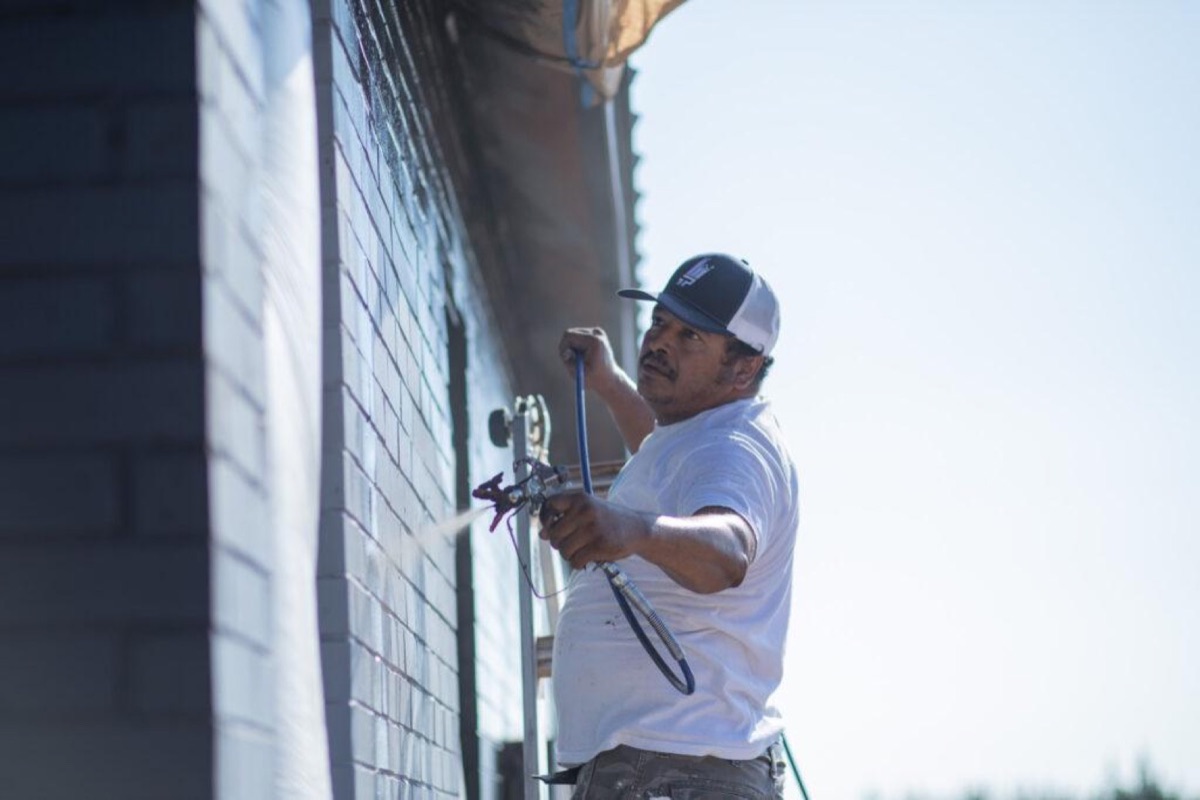
Property owners evaluating interior or exterior structural modernizations across the United States regularly weigh the logistical trade-offs of fluid application methods, leading them to ask: can I paint with a sprayer instead of a roller? The definitive technical answer is yes, you can paint with a sprayer instead of a roller, and it represents the absolute fastest, most effective choice for coating large, open-concept empty rooms, vaulted ceilings, intricate brick facades, and detailed millwork assemblies. However, for fully furnished rooms, tight renovation spaces, or homes requiring targeted color changes, traditional rollers remain mandatory because spray equipment forces you to invest extensive time into masking and protecting surrounding areas to control airborne paint mist. For residential properties positioned throughout the varied geographic housing markets of the United States, choosing the correct application tool establishes a uniform surface profile that preserves your home’s architectural beauty, ensures proper coating thickness, and protects long-term real estate asset equity.
Overview
Selecting an architectural coating applicator requires an analytical understanding of atomization pressures, transfer efficiencies, fluid dynamics, and dry film builds rather than simple tool convenience. Spraying and rolling have entirely different preparation needs, labor speeds, and overspray risks. Across the diverse geographic territories of the United States, houses face completely different types of natural light, internal environmental stresses, and regional building designs. For example, sun-flooded properties in Southern states feature expansive, smooth drywall panels that require precision tool setups to prevent visible overlaps under direct sunlight glare, historic Northern properties feature intricate trim work that demands fine-finish airless spray tips to achieve a factory-smooth look, and homes in high-humidity coastal zones require rapid, uniform coating applications during narrow dry weather windows. Below, we break down the exact industrial physics, equipment configurations, and professional field steps required to manage spraying vs. rolling with absolute confidence.
Quick Reference Spray vs. Roll Tooling Summary
- Elite Speed over Open Spaces: Airless sprayers apply paint up to four times faster than hand rollers, making them highly efficient for coating large empty homes, open drywall additions, and vaulted ceilings.
- Factory-Smooth Finish Quality: Spraying atomizes thick liquid paint into a fine mist that dries without leaving behind the brush marks or dimpled stipple textures common with consumer rollers.
- Extensive Masking Requirements: Opting for a sprayer requires dedicating up to seventy percent of your labor timeline to taping, masking windows, sealing floors, and hanging plastic drop cloths.
- Higher Material Consumption Rates: Spray equipment consumes roughly twenty to thirty percent more paint than manual rolling due to material lost to overspray and fluid left behind in the lines.
The Industrial Engineering of Airless Spray Systems
How Fluid Pressure and Hydraulic Atomization Deliver Coatings
To understand why airless paint sprayers apply material with exceptional speed and uniformity, you must analyze the underlying mechanical engineering of the equipment. Unlike traditional pneumatic compressed-air spray guns that mix heavy paint with high volumes of compressed air, often creating a wide, uncontrolled mist with low transfer efficiency, an airless spray system uses hydraulic fluid pressure to atomize the paint.
An electric or gas-powered piston pump draws heavy, un-thinned paint straight from a five-gallon pail, compressing the liquid to pressures ranging from 1,500 to 3,000 pounds per square inch (psi). The system pushes this highly pressurized paint through a specialized fluid hose and forces it out through a tiny, precisely cut tungsten carbide spray tip. The sudden drop in pressure as the paint leaves the tip causes the liquid to atomize instantly into a microfine mist, throwing a controlled pattern of paint forward onto your walls without requiring air to carry it.
The Mathematics of Overspray and Transfer Efficiency Patterns
While airless spraying provides unmatched speed, it introduces a physical factor known as overspray. In the commercial coatings industry, transfer efficiency is the technical term for the percentage of paint leaving the gun tip that actually bonds to your wall surface. High-performance airless sprayers generally achieve an inflation-checked transfer efficiency rating between sixty-five and seventy-five percent under controlled field setups.
The total paint discharged from the airless system divides between the fluid that glides cleanly onto your drywall surface and the suspended airborne mist that remains in the surrounding environment as overspray. The remaining twenty-five to thirty-five percent of the atomized paint bounces off the wall or remains suspended in the room air as a fine mist. This airborne mist travels continuously on indoor air currents, settling over floors, glass windows, light fixtures, and adjacent trim work if they are left unprotected. Managing this suspended mist requires a strict, professional approach to masking before you flip the power switch on your spray pump, a preparation standard we provide through our comprehensive national interior painting services.
Technical Field Workflows for Professional Sprayer Setups
Choosing the Correct Spray Tip for Drywall vs. Detailed Cabinets
Operating an airless paint sprayer successfully requires matching your equipment tip precisely to the specific viscosity of your paint and the scale of your surface plane. Using an incorrect tip size can ruin your project, leading to heavy sags, excessive overspray dust, and wasted product inventory.Spray Tip Identification CodePrecision Orifice DiameterFan Width DimensionPrimary Real Estate TargetOptimal Material ChoiceFFLP 3110.011 Inches6 Inch Fan WidthIntricate Wood Trim, CabinetsHybrid Waterborne Alkyd EnamelFFLP 4130.013 Inches8 Inch Fan WidthPanel Doors, Built-In ShelvesUrethane Acrylic Trim EnamelStandard 5150.015 Inches10 Inch Fan WidthSmooth Residential DrywallHigh-Solids Interior Latex Wall PaintHeavy-Duty 5170.017 Inches10 Inch Fan WidthRough Concrete, Exterior StuccoThick Elastomeric Exterior Acrylic
Professional spray tips utilize a standardized three-digit identification code. The first digit represents exactly half of the total fan width when spraying from a distance of twelve inches from the wall. The last two digits signify the precise diameter of the tip’s orifice hole in thousandths of an inch. For example, a standard 515 spray tip will cast a ten-inch fan pattern (5×2) and features a 0.015 inch opening, making it the ultimate tool for spraying standard interior walls, as detailed in our technical article on can you use old paint.
The 12-Inch Perpendicular Stroke Protocol
Even with a perfectly configured airless pump and tip setup, you can develop heavy sags, lines, and uneven patches across a wall if you use poor gun handling techniques. DIY painters often swing their arm in a wide arc, pivoting from the wrist as they move across a wall.
An uncalibrated, arcing gun motion introduces variable tip distance across the workspace surface. This dimensional inconsistency leads to a thick center film build paired with thin, faded edges, creating highly visible track defects known in the trade as fingering lines. Professional house painting crews train extensively to maintain a strict perpendicular axis layout.
Hold the spray gun at a consistent distance of exactly twelve inches from the drywall surface. Move your entire arm, shoulder, and torso parallel to the wall in long, smooth horizontal sweeps, pulling the trigger only after your arm is already in motion and releasing it before your stroke stops. Overlap each spray pass by exactly fifty percent to distribute your wet edge evenly, ensuring a flawless finish without lines, a standard we maintain across all home projects, including custom kitchen work outlined in our guide on painting cabinets with doors.
When Is Manual Rolling Mandatory for Property Owners?
Managing Occupied Spaces and Tight Color Transitions
While spraying is the fastest way to coat large open spaces, traditional hand rollers remain the smarter, more practical choice for many residential home improvement projects. If you are painting an occupied home filled with furniture, electronics, carpets, and window drapes, attempting to use an airless sprayer requires a massive amount of protective prep work.
A comprehensive spray layout requires you to completely empty the room and mask every square edge. This translates to hours of preparation work for a brief spray session, which often yields high overhead time. Conversely, a standard manual roller workflow only requires you to slide your furniture into the center of the room and protect the immediate floor line. This efficient process provides a much faster and simpler project session for everyday room renovations. You can simply slide heavy furniture into the center of the room, lay down a clean drop cloth, and start painting immediately. This simplicity makes hand rolling highly efficient for single-room refreshes and tight color transitions, an essential workflow we provide through our local interior painting services.
Pro Tip 1: The Back-Rolling Adhesion Lock Passage
When spraying fresh interior drywall panels, unpainted plaster alterations, or porous external masonry blockages, experienced painting crews always use a multi-tool process called back-rolling. One technician uses an airless sprayer to apply a uniform layer of paint over the wall, and a second worker immediately follows behind with a manual roller frame equipped with a 1/2-inch nap microfiber sleeve. This roller pass forces the sprayed paint deep into the porous drywall paper and joint compound, creating an absolute mechanical bond that stops bubbles and structural peeling later, an essential prep standard we detail in our master manual oneliminating paint roller tracks.
Substrate Alignment and Professional Masking Workflows
The Static Adhesive Plastic Masking Protocol
Hiring a certified professional contractor shields your home assets from messy paint mist because licensed teams use advanced masking technologies that retail consumers rarely find in home centers. Prior to starting any spray session, technicians seal off windows, doors, and flooring systems using a professional static-plastic masking protocol.
Crews deploy mechanical hand-maskers that attach high-tack painter’s tape directly to rolls of high-density masking film. This plastic film is treated with a specialized static-electricity charge that forces the plastic to cling tightly to vertical surfaces on contact. Once hung, the static charge acts like a magnet for airborne overspray dust, pulling dry paint particles straight out of the room air and locking them onto the plastic sheet. This advanced protection keeps your home’s glass windows, flooring assemblies, and clean trim lines completely clear of overspray.
Eliminating Flashing Defects via Uniform Priming Steps
Spraying an advanced, high-solids wall paint over unprimed drywall repairs or fresh joint compound patches can cause a noticeable surface defect known as suction flashing or ghosting. Raw joint compound behaves exactly like a porous sponge, absorbing the moisture out of wet paint rapidly.
When a raw gypsum repair patch is combined with a thick sprayed topcoat without an intervening sealer, rapid water suction occurs instantly across the repair field. This localized fluid depletion prevents the paint film from leveling naturally, forcing flat, dull blotch lines to form permanently along your drywall borders. To prevent suction flashing, professional painters apply a dedicated layer of low-VOC polyvinyl acetate (PVA) drywall primer sealer over all raw repairs before spraying your topcoats. This primer seals porous surfaces completely, ensuring your finish coats dry at a continuous, uniform rate across the wall plane, an essential step detailed in our master manual on when to use primer on walls.
How Do United States Housing Styles and Climates Alter Spraying Plans?
How Regional Air Humidity Shifts Impact Atomization Evaporation
To ensure your home interior transformation holds up beautifully over time, you must align your application choices and equipment setups with the climate conditions of your local environment. According to research certified by the Master Painters Institute (MPI), regional weather changes can directly change how coatings dry and how your tools behave.
In humid coastal locations or during sticky summer months across the Central states, high moisture levels in the air slow down the water evaporation process significantly. When spraying a waterborne paint under high humidity, the atomized paint mist can pick up extra moisture from the air before it even hits the wall, causing the wet paint film to run or sag down vertical surfaces. Professional crews track these ambient levels using digital hygrometers, running central air conditioning or dehumidifiers to stabilize the workspace before starting application.
Managing Direct Southern Sunlight and Open-Concept Floor Plans
For sun-drenched properties across Southern states or desert zones, managing bright natural light is a primary design goal. Home styles with expansive open-concept layouts feature long walls and large windows that are flooded with intense afternoon sunlight. If you try to use a standard consumer roller across these large walls, the high natural light will easily highlight every single lap line, brush mark, and uneven texture across the room.
Professional interior crews prevent these visual breaks by applying premium, low-lustre wall paints using an airless spray system. Spraying applies the paint in exceptionally thin, uniform layers, completely avoiding the roller stipple texture that can show up under bright natural sunlight. This seamless look works beautifully to simplify large rooms, a design trend known as color drenching that we analyze in our national guide to what is color drenching. For older historic homes with weathered interior accents or masonry fireplaces, using proper surface stabilization steps is equally critical to protect your walls, as outlined in our technical article on can you clean limewashed brick.
Architectural Paint Application Performance Index
Review this database reference matrix to match your specific interior real estate projects with the correct professional application methods required to prevent coating failures.Property Interior ZoneDominant Project ConditionRecommended Application MethodPrimary Equipment BenefitTarget Production SpeedEmpty Home / New DrywallOpen Space, Zero ObstaclesAirless Spray Gun SetupDelivers maximum labor efficiency and a smooth look.Fast Production SpeedOccupied Living RoomsFully Furnished, CarpetsManual Microfiber RollerEliminates overspray risk; requires very little masking time.Balanced Standard SpeedKitchen Cabinet UnitsIntricate Wood Trim ProfilesHVLP Spray EquipmentMimics factory-smooth finishes without leaving brush tracks.Detailed Precision SpeedHigh Vaulted CeilingsTall Drywall AssembliesAirless Spray ExtensionEliminates extension ladder fall risks safely.Fast Production SpeedSmall Spare BathroomsTight Quarter ConfigurationsManual Microfiber RollerPrevents paint mist from coating tight fixtures.Controlled Close Speed
FAQs
Does spraying paint use significantly more material than rolling with a sleeve?
Yes, spraying paint typically consumes roughly twenty to thirty percent more material than rolling with a traditional sleeve. This increased consumption happens because a percentage of the atomized paint turns into airborne overspray mist that settles on your protective plastic masking rather than bonding to the wall. Furthermore, airless spray systems require filling the fluid hose and pump system with paint to maintain pressure, leaving behind a small volume of material that is lost during cleanup.
Can you apply a second coat of paint faster when using an airless sprayer?
Yes, you can apply your second topcoat significantly faster when using an airless sprayer because spraying places a thin, atomized layer of paint across the wall that releases its water carrier efficiently. According to safety and performance standards monitored by the U.S. Environmental Protection Agency (EPA), keeping indoor spaces well-ventilated with running fans accelerates this drying window. An accelerated dry time allows your crew to sand away airborne dust nibs and spray the second coat hours ahead of schedule.
Why does sprayed paint sometimes peel off the wall in large sheets?
Sprayed paint will peel off the wall in large sheets if the installer fails to complete mandatory mechanical sanding and chemical decontamination passes before spraying. Because airless sprayers throw paint onto a surface with immense force, the paint film can look uniform on top of hidden dust layers or mopping grease residues. However, because the paint lacks a true bond with the drywall substrate, the brittle plastic layer will quickly buckle and pull away when bumped by household traffic.
Is it safe to thin premium wall paints with water to make them spray easier?
No, you should never thin modern premium wall paints with water to make them pass through an airless sprayer unless specifically directed by the manufacturer’s technical data sheet. High-quality paints are engineered with a precise balance of acrylic resins, mineral fillers, and water vectors. Adding too much water thins out the liquid, breaking down the paint binders and leading to major failures like heavy running, poor hiding power, and early color fading. Modern airless sprayers use powerful piston pumps designed to spray thick paints without thinning.
How do professional painters prevent airborne paint mist from entering HVAC ductwork?
Professional house painting crews protect your indoor air quality by sealing off every central heating and air conditioning vent before starting a spray session. Technicians turn off the main HVAC system to stop air from drawing through the house, remove the vent registers, pack the duct openings with clean paper barriers, and seal the edges with high-adhesion masking tape. This complete seal prevents atomized overspray dust from settling inside your ductwork or blowing back out into clean rooms later.
Ready to Upgrade Your Home’s Finish with Flawless Professional Care?
Refreshing your home interior or exterior walls with an advanced, high-performance coating system executed by a trained crew is the fastest way to protect your investment and dramatically boost your real estate value. Don’t risk messy overspray, flashing patches, or permanent paint tracking on your home’s finest architectural features.
Reach out to the team at That 1 Painter today to schedule your detailed, obligation-free on-site project estimate, and give your property the beautiful, long-lasting protection it deserves.
Book Your Free Professional Estimate Now