By Ben M.
Property owners managing residential renovations or executing architectural wood modernizations across the United States frequently seek thick, high viscosity pigmented finishes to revitalize demanding vertical surfaces, leading them to search for a definitive field manual on how to use Old Masters Gel Stain. The technical and structural answer is that Old Masters Gel Stain is a heavy bodied, oil based alkyd coating engineered to sit on top of non porous substrates, tightly anchoring dense oil pigments onto previously finished wood, fiberglass doors, and medium density fiberboard without dripping. Attempting to apply standard, low viscosity liquid wood stains onto non porous or factory sealed surfaces results in immediate material failures. Thin liquid stains rely on deep capillary absorption into raw wood cells, which causes the fluid to puddle, run, and smear on non porous substrates, drying into a patchy, sticky film that peels away under standard physical impact. For properties positioned throughout the varied regional markets of the United States, utilizing a heavy bodied alkyd gel stain allows you to bypass intensive chemical stripping passes, covers mismatched grains cleanly, and protects the structural integrity of your high value architectural wood assets.
Overview
Coordinating a wood refinishing project requires an analytical understanding of open assembly drying windows, pigment volume concentrations, and resin cross linking behaviors rather than simple reliance on design trends. Every vertical wood feature acts as a dynamic structural element that continuously handles indoor humidity changes and regional climate shifts. Across the distinct geographic zones of the United States, exterior and interior millwork handle completely different types of natural moisture levels and thermal movements. For example, properties located across hot, humid Southern coastal zones handle high ambient humidity during spring renovation months, which can extend the drying window of oil based coatings significantly unless an airflow plan is implemented. Meanwhile, historic homes in cold Northern states experience intense winter freeze thaw cycles that cause exterior wood panels to expand and contract rapidly, a movement that shatters thin, non elastic surface stains. Traditional Western residential designs often feature large entryway configurations with heavy Douglas fir or fiberglass doors that receive intense afternoon UV glare, a lighting profile that immediately highlights poor stain leveling or wiping streaks. Below, we break down the underlying fluid chemistry, advanced tool layouts, and professional field steps required to apply these heavy bodied coatings with absolute certainty, matching the operational quality guardrails outlined in That 1 Painter Blog Strategy_19.pdf.
Quick Reference Box: Old Masters Gel Stain Summary
- Non Penetrating Surface Adhesion: Old Masters Gel Stain functions as a surface building alkyd shield that bonds tightly onto non porous faces, completely avoiding the need for deep wood absorption.
- Mismatched Grain Equalization: The dense oil pigment load covers up dark streaks and fills light valleys, transforming cheap pine or finger jointed trim into a rich, uniform hardwood look.
- Extended Open Assembly Window: The thick gel formula keeps the coating wet and workable longer on your wood canvas, allowing technicians to wipe out lap marks cleanly under bright light.
- Multi Substrate System Interoperability: This product anchors cleanly onto wood, factory primed steel, rigid fiberglass doors, and synthetic wood composites without running.
What Is the Chemical Difference Between Gel Stain and Liquid Stain?
The Physics of Thixotropic Alkyd Binders
To understand why a heavy bodied gel stain outperforms standard liquid stains on non porous surfaces, you must examine the physical properties of modern architectural coatings. Standard liquid wood stains are low viscosity fluids formulated with thin solvent carriers like mineral spirits or water. When you spread a liquid stain over raw wood, the fluid relies entirely on capillary action to sink deep into the open cells of the wood grain, coloring the timber from the inside out. If you apply that thin liquid to a non porous face like a pre finished cabinet door or a fiberglass entry door, the fluid has no open pores to enter, causing the stain to pool and separate into messy runs.
Old Masters Gel Stain utilizes an advanced thixotropic alkyd resin binder system. Thixotropy is a physical property where a material behaves as a thick, non flowing gel while resting, but thins out temporarily when mechanical force is applied with a brush or rag. When you dip your brush into the can, the gel flows smoothly onto your substrate. The moment you remove your tool, the coating locks back into its thick gel state, clinging tightly to vertical planes, carved moldings, and sharp profile corners without sagging or running. This surface building behavior allows you to skip deep wood absorption entirely, making it an exceptional option for updating finished features cleanly, a material performance standard we analyze in our technical guide on can you use old paint.
Controlling High VOC Volatile Emissions in Enclosed Rooms
While the thick body of an alkyd gel stain provides excellent color control on vertical woodwork, its oil based solvent matrix introduces specific challenges for indoor air quality. As the petroleum distillates leave the wet stain film, they release a high concentration of Volatile Organic Compounds into your breathing air. According to material safety data files monitored by the U.S. Environmental Protection Agency (EPA), oil based alkyd finishes regularly carry substantial volatile loads that require careful handling.
Inhaling concentrated solvent vapors inside an enclosed room over an extended eight hour shift causes acute exposure symptoms, including throat dryness, headaches, and nausea. Professional painting crews manage these indoor air conditions by setting up active ventilation paths using commercial floor fans to pull chemical fumes out of the living space continuously. This protective layout accelerates your safe room re entry timeline significantly, an environmental safety baseline verified by top testing databases like Underwriters Laboratories (UL) Greenguard Gold. To satisfy strict indoor air standards during home renovations, our teams prioritize low emission systems across our comprehensive national interior painting services.
How Do You Prepare Wood Surfaces for Gel Stain?
Executing a Deep Chemical Decontamination and Scuff Sanding Pass
Securing a permanent, chip resistant bond with an oil based gel stain requires executing strict surface preparation steps before opening a product container. Architectural woodwork assets inside residential homes accumulate a thick layer of invisible surface contaminants over time, including slippery hand oils, kitchen grease splatters, and household dust lines. Trying to apply an alkyd gel stain straight over a dirty, greasy surface blocks the resins from making direct contact with the substrate, resulting in widespread adhesion loss and early paint peeling.
The preparation process begins with a thorough chemical decontamination wash across the entire target wood field. Scrub the wood faces systematically using a solution of trisodium phosphate substitute and warm water to dissolve surface greases, and wipe the area clean with fresh rags. Immediately following the wash pass, execute a precise mechanical scuff sanding pass across the entire wood canvas using 220 grit aluminum oxide sanding sheets. Sanding scratches the old glossy finish gently, breaking the smooth clear skin to create millions of microscopic teeth that give your new coatings a firm mechanical grip, an essential preparation sequence we outline in our guide on can you clean limewashed brick.
Eliminating Wood Grain Swelling via Wet Solvent Washes
When your scuff sanding passes are complete, you must remove all lingering wood dust particles completely to prevent gritty texture defects in your dried finish. Never use a water dampened rag to wipe away fresh wood sanding dust on raw timber elements. Water vectors soak into open wood pores quickly, causing the cellular wood fibers to swell and lift, a material defect known in the trade as grain raising or grain swelling. Raised grain ruins your smooth surface, forcing you to complete extensive re sanding loops to flatten the wood.
To completely prevent grain raising during your interior modernization, clear away all sanding debris using a dry microfiber cloth, followed by a light wipe down with a rag dampened in pure mineral spirits or paint thinner. Mineral spirits dissolve loose dust particles instantly without soaking into the wood cells or swelling the grain fibers. The solvent carrier evaporates off the wood completely within minutes, leaving behind a clean, flat surface that is ready to accept your high solids primers or gel stains cleanly, an elite tool technique we integrate across our professional cabinet painting with doors setups.
What Are the Professional Steps to Apply Gel Stain?
Applying the Gel Coating with Natural Filament Brushes
Once your surface preparation is complete and the wood is dry, you can begin the staining process using a high viscosity application strategy. To apply an old world gel stain smoothly over large areas, you must use high quality equipment. Never use low cost horsehair or cheap throwaway foam brushes for fine wood staining. Gel stains feature heavy body dynamics that require a premium 3 inch natural china bristle brush or a high end synthetic nylon polyester blend sash brush.
Natural hog bristle brushes feature flagged tips that hold a generous reservoir of thick gel inside the brush core, releasing the material in a smooth, continuous layer as you guide the tool across the wood. Load your brush lightly, and spread the gel stain across a manageable section using long, continuous strokes running straight along the natural direction of the wood grain. Do not worry if the color looks solid or opaque initially. The open assembly window stays wet and workable for up to twenty minutes, giving you plenty of time to meter and blend the film, a professional tool standard we detail in our master guide on can you use old paint.
Wiping the Wood for Transparency and Rich Tone
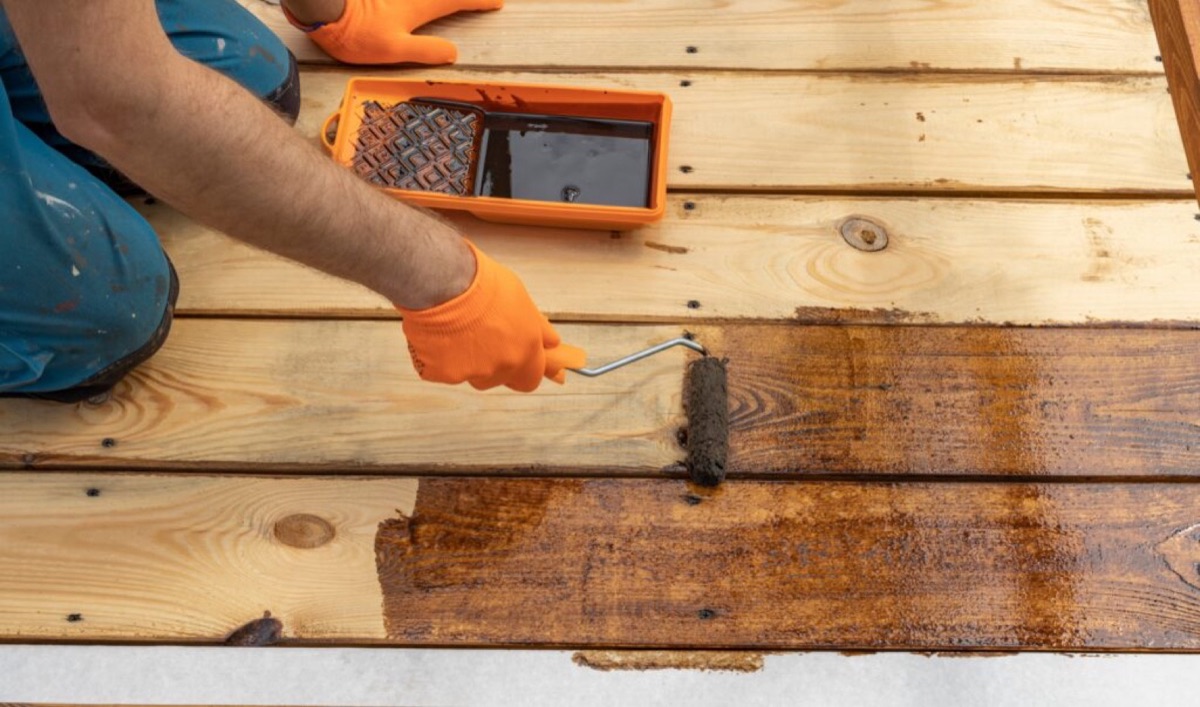
The true artistry of applying a gel stain lies in the wiping pass, which changes the solid layer into a rich, transparent wood finish. Within ten minutes of brushing out your section, take a clean, lint free microfiber cloth or a high grade staining rag, fold it into a flat pad, and wipe the excess gel away gently using long, single directional sweeps running with the wood grain.
Apply steady, uniform hand pressure to pull away excess pigment from the dense grain peaks while leaving rich color bands locked inside the deep wood valleys. This wiping motion balances out the color variations across your timber panels, allowing you to match cheap pine baseboards with premium hardwood features cleanly. Always keep multiple fresh cloths on hand, switching to a clean rag section the moment your pad becomes saturated with stain to avoid leaving dark streaks or heavy lap marks on your woodwork, a custom detailing approach we analyze deeply in our design overview on what is color drenching.
Pro Tip 1: The Wet Film Thickness Notch Calibration Pass
To ensure your newly stained wood panels achieve full color depth, proper adhesion, and maximum wear resistance, you must control your material application thickness precisely. Professional wood refinishing technicians check their stain depth continuously using stainless steel wet film thickness notch gauges. When brushing out your gel stain layer, ensure the wet film measures a consistent 2.0 to 3.0 mils before wiping. This controlled layout guarantees that as the solvent carrier evaporates, the remaining pigments and resins build a dry film thickness that satisfies strict manufacturer performance metrics and prevents early surface wrinkling.
How Do United States Climates Shift Your Staining Windows?
How Southern Humidity and Northern Winters Alter Solvent Release
To ensure your architectural timber updates hold up beautifully over time, your installation crew must align their material drying windows, tool configurations, and seal passes with the climate conditions of your local environment. According to technical standards monitored by the Master Painters Institute (MPI), ambient humidity and temperature changes directly alter how quickly solvents escape from thick paint films.
In humid coastal regions or during sticky summer months across the Central states, high moisture levels in the air slow down the solvent evaporation process significantly. When applying a thick oil based gel stain under high humidity, the wet layer traps solvent carriers longer, extending your dry to recoat window from a standard twenty four hours to forty eight hours or more. If you try to apply a clear polyurethane topcoat before the internal alkyd resins of the stain have completed their chemical cross linking oxidation cycle, the solvents in the topcoat will dissolve the soft stain underneath, a severe material failure that creates a sticky, wrinkled mess on your wood trim.
Managing Direct Western Sunlight on Entryway Assets
The architectural style and sun exposure of your property play a major role in your overall material selection and maintenance budgets. Modern Western residential designs often feature grand entryway configurations with heavy fiberglass or oak doors that receive continuous, intense afternoon ultraviolet rays. This high UV index pulls deep wood oils to the surface rapidly and breaks down standard stain pigments, causing unsealed entry doors to fade and bleach within a single season of exposure.
Professional crews protect these high exposure assets by applying two coats of a premium, UV blocking marine spar varnish or a high solids exterior polyurethane over the dried gel stain layer. The clear varnish acts as a sacrificial shield, filtering out harmful ultraviolet wavelengths to preserve your rich wood tones for multiple seasons, an asset enhancement standard we offer through our comprehensive regional exterior wood refinishing services.
Pro Tip 2: The Tack Cloth Conditioning Pass for Fiber Protection
When staining detailed cabinet boxes or intricate window casings, achieving a perfectly smooth, lint free surface is essential. Even clean microfiber cloths naturally contain small amounts of manufacturing dust or loose threads that can transfer onto your sticky gel stain border. To completely prevent fiber defects, professional crews run a specialized, sticky resin treated tack cloth gently across all scuff sanded wood parts immediately before dipping a brush into the stain can. This tack cloth pass lifts away all loose debris and microscopic airborne dust particles instantly, ensuring your fine brush lines remain completely smooth and fiber free.
Architectural Wood Coating Performance and Processing Index
Review this reference database matrix to match your specific interior room woodwork and material targets with the correct professional primers, stains, and tool configurations required to prevent system failures.Substrate Wood ProfileSurface Grain ClassRecommended Primer / BaseRecommended Stain SystemOptimal Tool ConfigurationFinger Jointed PineOpen Asymmetric GrainOil Based Wood SealerOld Masters Gel Stain3 Inch China Bristle BrushDense Finished OakClosed Tight Grain Wood220 Grit Scuff Sand PassOld Masters Gel StainLint Free Microfiber PadRigid Fiberglass EntryNon Porous Synthetic FaceClean Solvent Wash PassOld Masters Gel StainFoam Stippling Stainer ToolMedium Density MDFNon Porous Reformed SheetHigh Solids Acrylic PrimerOld Masters Gel Stain3 Inch China Bristle BrushExterior Cedar SidingPorous Rough Sawn TimberAlkyd Wood Primer CoatExterior Solid Acrylic StainAirless Sprayer Setup
FAQs
Can you apply Old Masters Gel Stain straight over an old glossy varnish coat?
No, you cannot apply Old Masters Gel Stain directly over an old glossy varnish coat without completing surface preparation steps first. While gel stains are engineered to stick onto non porous faces, an old glossy finish forms a smooth skin that provides zero physical grip for new coatings. Applying gel stain directly over that shiny face leads to immediate adhesion loss, causing the wet stain to wrinkle, smudge, and slide off your trim. You must scuff sand the old varnish fully with 220 grit sandpaper to scratch the face and create microscopic teeth before staining.
Why does painter’s tape sometimes leave jagged, messy edges when pulled away from wood trim?
Painter’s tape will leave jagged, messy edges if the tape is left on the wall for too long after application, or if you fail to pull the tape away while the paint is still wet. If you allow your new topcoat to dry and cure completely over the tape line, the acrylic resins in the paint will form a continuous plastic sheet across the tape edge. Pulling dry tape away later will tear the hardened paint film along the wall. Always pull your painter’s tape back smoothly at a sharp 45 degree angle while the final coat is slightly wet.
What is the safest paint sheen to ensure a cohesive color flow between adjacent open rooms?
An eggshell finish is generally preferred for the main walls to ensure smooth color flow across all interior spaces, while a satin or semi gloss finish is ideal for baseboards, doors, and stained wood features. Eggshell provides a beautiful, soft look that hides minor drywall defects while offering high washability and steady light reflection. This low reflection look allows colors to transition smoothly between dark hallways and bright rooms without creating harsh reflections or glare that can break visual continuity.
How do you fix a dark, blotchy lap mark on a freshly gel stained cabinet door?
If you develop a dark, blotchy spot or a heavy lap mark on your wood canvas because the gel stain dried before you could wipe it away evenly, you cannot fix the blemish by simply rubbing the spot with water or a dry rag. The alkyd resins have already begun their chemical setting routine. To clear the defect safely, saturate a clean cloth with pure mineral spirits or paint thinner, and rub the dark patch firmly along the direction of the wood grain. The solvent will dissolve the setting resins, allowing you to thin out the excess pigment and blend the color smoothly.
Do you need to apply a clear topcoat over Old Masters Gel Stain indoors?
Yes, applying a dedicated clear topcoat over Old Masters Gel Stain on all interior surfaces is an essential step required by professional standards to protect your color work. Gel stains are formulated with high pigment loads to deliver deep color richness, which leaves the dried film soft and vulnerable to scratching, water stains, and skin oil fading if left unsealed. Applying two coats of a high solids polyurethane or clear alkyd varnish seals the pigments completely, building a tough, washable shield that preserves your fine wood tones for years, an application standard we outline in our master manual on painting cabinets with doors.
Ready to Upgrade Your Property’s Woodwork with Masterful Professional Care?
Refreshing your interior walls, stained baseboards, and kitchen cabinets with an advanced coating system executed by a trained professional crew is the fastest way to protect your investment and dramatically boost your real estate value. Don’t risk messy lines, flashing patches, or permanent paint peeling on your home’s finest features.
Reach out to the team at That 1 Painter today to schedule your detailed, obligation free on-site project estimate, and give your property the beautiful, long lasting protection it deserves.
Book Your Free Professional Coating Estimate Now