By Robert R.
Property owners managing residential or commercial real estate assets across the United States frequently seek elite architectural finishes, leading them to analyze natural vs synthetic paint brushes. The definitive technical answer is that synthetic nylon and polyester blend paintbrushes represent the absolute best choice for modern water based latex paints, while natural animal hair hog bristle brushes are mandatory for oil based alkyd varnishes and solid coatings. Attempting to apply a waterborne acrylic paint with a natural bristle applicator results in rapid tool failure because the porous animal hair absorbs water instantly, causing the filaments to swell, lose their structural shape, and leave heavy, deep track marks across your wooden trim moldings. For residential properties throughout the diverse geographic territories of the United States, utilizing the correct filament construction is a critical asset management decision that guarantees proper coating adhesion, minimizes visible brush marks, and preserves your home equity value.
Overview
Selecting the correct paintbrush configuration requires an understanding of polymer chemistry, fluid mechanics, and material transfer rates rather than personal brand preference. Spreading a premium architectural finish with an incorrect applicator ruins the uniform self leveling properties of the paint film, leading to premature surface wear, flashing, and rough, low quality textures that standard touch ups cannot fix. Across the diverse regional real estate markets of the United States, buildings face distinct internal environmental stresses and outdoor weathering patterns. For example, properties in high humidity coastal zones require stable tools that resist moisture sagging during summer projects, historic northern homes demand precise oil based applicators to restore century old woodwork, and modern open concept floor plans require flawless fine finish applications to handle intense sunlight glare. Below, we break down the exact filament properties, operational workflows, and product selection indexes required to choose the perfect paintbrush for your upcoming residential improvement project.
Quick Reference Brush Selection Summary
- Synthetic Filament Dominance: Use premium synthetic nylon and polyester blend paintbrushes for all water based acrylic latex paints to maintain sharp cut lines and crisp edge control.
- Natural Bristle Requirements: Reserve natural animal hair hog bristle paintbrushes strictly for oil based coatings, alkyd enamels, shellacs, and solvent based wood stains.
- Waterborne Splitting Protection: Avoid using natural bristles with water based paints because the porous organic hairs absorb water, expand rapidly, and lose their necessary stiffness.
- Solvent Cleansing Endurance: Select high grade natural hair or solvent resistant synthetic tools when working with strong mineral spirits to prevent the applicator from melting or warping.
What Are Natural Paint Brushes and When Do You Need Them?
Why Do Natural Hog Bristles Excel with Oil Based Coatings?
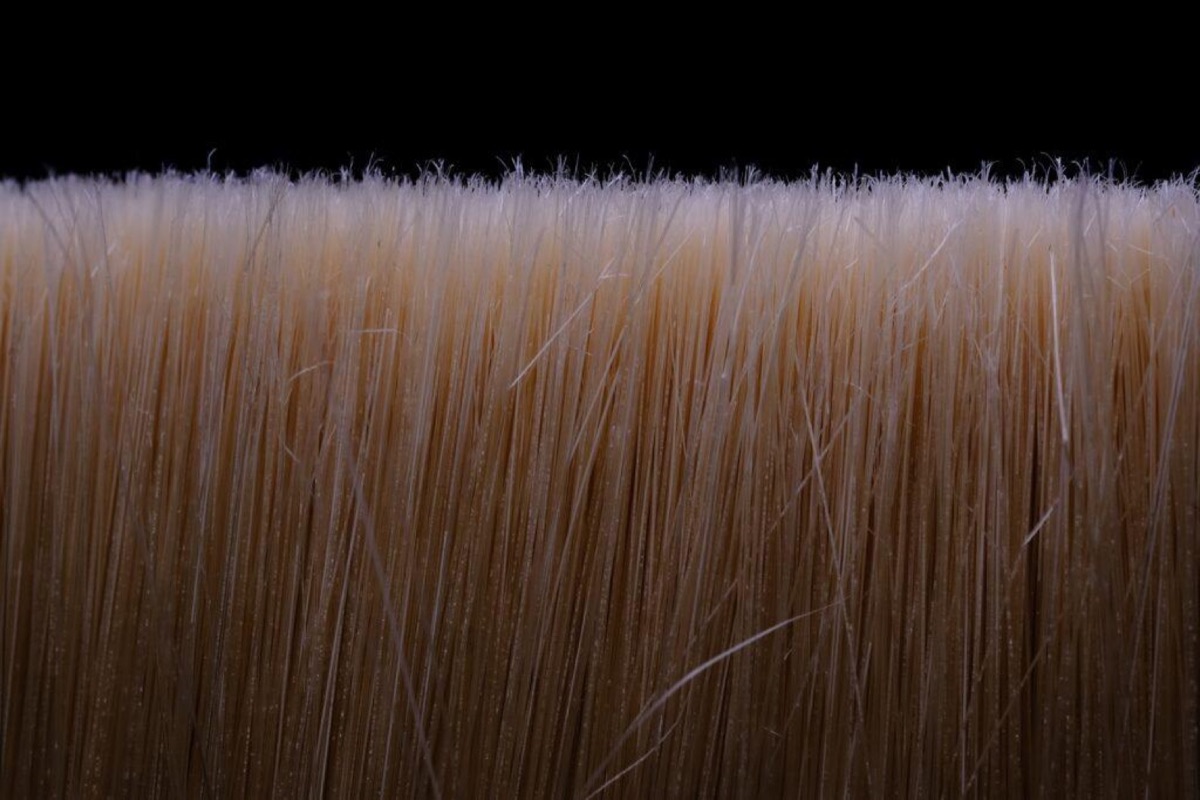
The structural difference between organic animal hair applicators and factory engineered synthetic tools comes down to the microscopic surface shape of the individual filaments. High quality natural paintbrushes are manufactured using Chinese hog bristle or ox hair. Each organic hair features a naturally tapered shape that terminates in a split or flagged end.
These millions of tiny, microscopic split tips create a massive fluid reservoir inside the brush head. This reservoir holds a high volume of heavy, solvent based paint and releases it at a slow, perfectly metered rate across the substrate. Furthermore, natural animal hair contains subtle surface ridges that naturally spread out heavy oil based alkyd resins evenly. This distribution allows the slow drying oil film to fuse into a smooth surface layer that completely masks brush tracking lines, an essential technique we outline in our master manual on eliminating paint roller tracks.
Why Does Water Based Paint Destroy Natural Animal Hair Tools?
While natural hog bristle is the ultimate applicator for solvent driven varnishes, it behaves poorly when exposed to modern waterborne architectural paints. Animal hair is structurally identical to human hair, meaning it is highly porous and absorbs water rapidly.
When a natural bristle brush is dipped into a water based acrylic paint, the core of the hair absorbs water from the fluid emulsion. Within minutes, the stiff filaments swell up, turn completely limp, and lose their flexible spring back memory. The brush head flairs out into a chaotic mass that cannot cut a straight line along baseboards or door casings, leaving behind an uneven paint layer that will sag and wrinkle as it dries. For specialized surfaces like historic bare brick partitions or old interior masonry chimneys, understanding this absorption behavior is crucial to prevent surface failure, as detailed in our technical guide on can you clean limewashed brick.
What Are Synthetic Paint Brushes and When Are They Mandatory?
How Do Nylon and Polyester Blends Manage Water Based Acrylic Latex?
To handle the quick drying characteristics of modern interior acrylic house paints, tool manufacturers developed specialized synthetic filaments using extruded nylon and polyester polymers. Nylon is incredibly tough, smooth, and flexible, providing high resistance to abrasive friction against rough drywall surfaces. Polyester adds physical stiffness and structural strength, stopping the brush head from sagging or losing its shape when exposed to heavy water emulsions.
Premium synthetic paintbrushes mix these two polymers together in precise ratios. This blend creates an applicator that keeps its stiff cutting edge throughout a long day of painting, even in hot or humid rooms. The synthetic strands are chemically tipped and flagged at the factory to mimic the split ends of organic animal hair. This design ensures the synthetic tool can hold a large volume of wet paint and lay it down in a clean, uniform film thickness.
Why Do Synthetic Filaments Resist Strong Paint Stripping Solvents?
Beyond their excellent performance with water based paints, synthetic filaments are highly stable when exposed to common household cleaning chemicals. Pure polyester and modern nylon strands are completely non porous, meaning they cannot absorb liquid thinners or become waterlogged.
This non porous structure makes synthetic tools incredibly easy to clean. You can quickly wash away sticky acrylic paint resins using plain warm water and a wire paint comb. However, you must be careful when matching your synthetic brush type to strong solvents. While pure polyester handles mineral spirits easily, cheap low grade nylon filaments can soften, warp, or even melt if left soaking inside strong ketone paint strippers or specialized lacquer thinners. This material degradation will ruin the tool shape, a critical structural baseline we detail further in our national guide to when to use primer on walls.
Professional Paintbrush Application Protocols from the Field
How Do You Select the Correct Brush Shape for Trim Painting?
Achieving a flawless, professional finish depends directly on matching the physical shape and angle of your paintbrush head to the structural layout of your target woodwork. Standard square cut paintbrushes are engineered strictly for covering broad, flat areas like wooden siding panels, flat fence pickets, or wide cabinet doors.
- Specify Chiseled Angle Sash Brushes for Perimeter Cutting: When cutting in along ceiling lines, window frames, and narrow baseboard corners, always use a chiseled angle sash brush. The angled brush face matches the natural slant of a human hand during application. This slant allows the painter to place the longest point of the bristles precisely into tight corner junctions, ensuring a razor sharp paint line without relying on messy masking tape.
- Enforce Full Surface Chemical Degreasing Before Application: Do not apply fresh paint over hidden surface grime. Wash all baseboards and trim mouldings with a solution of trisodium phosphate alternative mixed with warm water. This process strips away slick skin oils, sticky wax residues, and dust, creating a clean substrate that allows your new paint to bond permanently to the wood.
- Execute Uniform Mechanical Abrasion Pass Work: Sand all wood trim thoroughly using 220 grit aluminum oxide sandpaper before opening your paint cans. Sanding cuts down old roller stipple texture, smooths out rough wood grain defects, and breaks old glossy coatings. This mechanical abrasion leaves a subtle profile texture that lets the new paint grip tightly to the wood trim.
- Extract Microfine Sanding Dust with Damp Microfiber Cloths: Wipe down all sanded trim mouldings using a damp microfiber towel to remove fine white dust particles. If left on the wood, the loose dust will mix into your wet paint, creating a rough texture and weakening the resin bond, causing the new paint to chip away easily when bumped by vacuum cleaners or shoes.
What Are the Correct Tool Configurations for High Solids Paints?
Modern premium high traffic interior paints feature a thick viscosity because they contain a high concentration of acrylic resins. Trying to apply these heavy coatings with cheap, thin retail paintbrushes will lead to an uneven finish, heavy brush tracks, and visible lap marks across your room woodwork.
Professional painting crews apply high solids coatings using premium synthetic sash brushes paired with high quality microfiber roller sleeves for flat wall fields. Microfiber covers hold a massive volume of paint and release it smoothly under light pressure, preventing tracking lines, an essential field technique we outline in our resource on proper paint lifespan rules. For property updates involving kitchen cabinet layouts, using these proper fine finish tools is equally critical to secure a smooth finish, as outlined in our manual on fine finish cabinet painting steps.
National Architecture and Climate Durability Modifiers
How Does Ambient Humidity Alter Paintbrush Filament Selection?
To get a long lasting finish, you must align your tool choices with the climate conditions of your local environment. Buildings across different regions face unique indoor environments driven by regional weather, local humidity shifts, and seasonal HVAC use. These factors directly affect paintbrush performance and coating drying times.
In humid coastal locations or during sticky summer months, high moisture levels in the air slow down the paint drying process. Under these humid conditions, a pure nylon paintbrush can become overly soft and lose its stiffness because nylon naturally absorbs a small amount of water from the air.
To maintain sharp cut lines in high humidity, professional painters switch to a pure polyester or a stiff nylon polyester blend brush. Polyester fibers are completely unaffected by humidity, ensuring the brush keeps its clean cutting edge all day.
How Does Property Style Guide Your Repair and Applicator Strategies?
The age and building style of your home also play a major role in your overall preparation choices and tool selections. Older historic homes across the United States often feature traditional lath and plaster walls rather than modern paper faced drywall panels. Plaster is a dense, highly porous material that expands and contracts differently than drywall, which frequently leads to minor stress cracks along window frames and door headers as the foundation shifts over time.
Plaster surfaces absorb water from coatings rapidly, requiring a dedicated primer coat to stabilize the wall before painting. For modern homes with large open concept floor plans, your application work must be flawless because long walls flooded with sunlight from large windows will easily reveal every single minor bump or uneven texture.
Using a clean layout approach like color drenching helps simplify these expansive rooms, but using proper sanding and premium synthetic brushes is the only way to ensure your large walls look beautiful and uniform under intense natural light, a design trend we analyze in our national guide to modern color drenching trends.
Architectural Paintbrush Filament Selection Index
Review this database reference matrix to match your specific coating materials with the correct professional paintbrush filaments and primary tools required to prevent application failures.Coating Material BasePrimary Fluid VehicleRecommended Brush FilamentManual Tool ShapePrimary Production GoalPremium Acrylic LatexWaterborne EmulsionNylon / Polyester BlendAngled Sash StyleKeeps a stiff cutting edge; lays down a smooth paint layer.Waterborne Acrylic AlkydHybrid Water VehicleFirm Polyester BlendChiseled Trim StyleDelivers a smooth finish without brush tracks or lines.Traditional Oil EnamelSolvent Mineral SpiritsNatural Chinese Hog BristleOval Sash StyleHolds a large paint reservoir; allows paint to self level.Clear Shellac SealerAlcohol Denatured BaseWhite Bleached Hog BristleFlat Wall StyleProvides fast coating coverage and resists strong solvents.Penetrating Wood StainSolvent Liquid OilNatural Ox Hair BlendSquare Trim StyleEnsures even stain penetration into raw wood pores.
FAQs
Can you use a high quality natural bristle brush to apply water based latex paint?
No, you should never use a natural animal hair paintbrush to apply water based latex paint. Natural organic bristles are highly porous and absorb water rapidly from the liquid paint emulsion. Within minutes of dipping the brush, the filaments will become waterlogged, lose their flexible spring back memory, and turn completely limp. The brush head will flair out into a chaotic shape, making it impossible to paint straight lines and leaving heavy brush marks across your trim.
Why do cheap paintbrushes shed loose hairs into wet paint?
Cheap retail paintbrushes frequently shed loose filaments into your fresh paint because their bristles are held together by a low quality glue inside the metal band, called the ferrule. When the brush is flexed against a wall or exposed to strong paint solvents, the weak glue breaks down, allowing the loose hairs to fall into your wet paint film. To fix this, you must pick the loose hairs out of the wet paint immediately and switch to a professional grade epoxy bonded paintbrush.
What is the best method to wash and store premium synthetic brushes?
To preserve the sharp cutting edge of a premium synthetic paintbrush, wash it immediately after use using warm water and a mild liquid dish soap or a dedicated brush cleaner. Use a stiff wire paint comb to scrape away dried paint skin from deep inside the bristle bundle near the metal band. Rinse the brush until the water runs clear, shake out the excess water, reshape the bristles by hand, and store the tool inside its original heavy paper protective wrapper to keep the filaments straight.
Do you need to buy a different paintbrush to work with hybrid oil paints?
Yes, working with modern hybrid waterborne alkyd paints requires using a firm synthetic polyester blend paintbrush rather than a natural bristle brush. Hybrid paints clean up with plain water but contain real oil resins, meaning they have a heavy fluid viscosity. A firm polyester brush delivers the stiffness required to spread these thick hybrid coatings smoothly, allowing the paint film to level out beautifully without turning limp or leaving deep brush tracks.
How many hours can you use a synthetic paintbrush before it requires washing?
When applying quick drying interior acrylic paints under standard room conditions, you should rinse and wash your synthetic paintbrush every two to three hours. Liquid latex paint dries rapidly when exposed to open air, causing hard paint skin to build up deep inside the bristle bundle. If you keep painting without regular rinsing, this dried build up will force the outer bristles to flair apart, ruining the sharp cutting edge of your tool.
According to technical research verified by the Master Painters Institute (MPI), selecting the correct premium tool category is just as critical to coating longevity as choosing a high quality paint brand. Ready to completely upgrade your home or commercial property interior with a gorgeous, high performance finish applied by a highly trained crew? Reach out to the expert national team at That 1 Painter [Your Territory] today by visiting our main service landing page to schedule your detailed, obligation free on site project estimate, and take the stress out of your next home improvement project.