By Ben M.
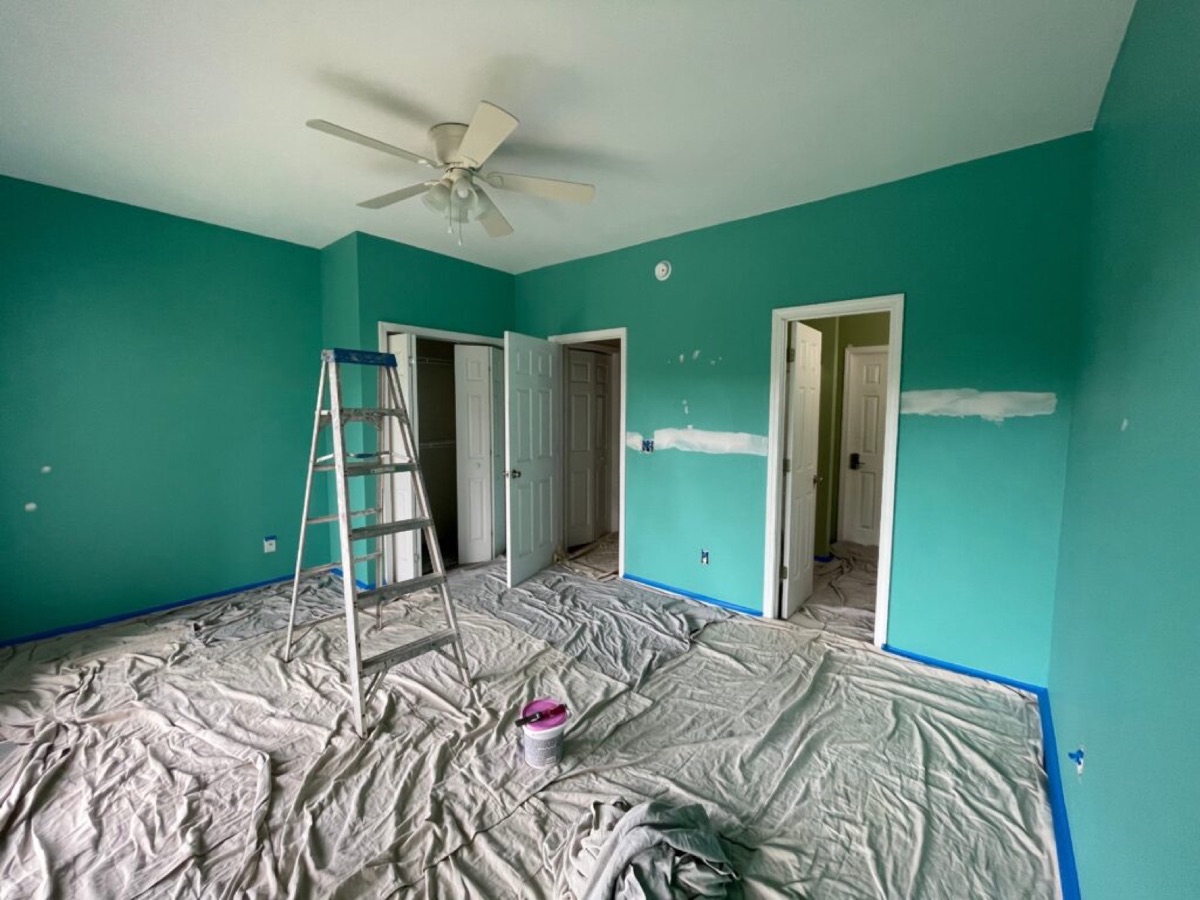
Property owners planning interior transformations or managing real estate improvements across the United States regularly face severe property damage from sudden liquid spills and heavy construction equipment traffic, leading them to search for the best choices among drop cloths for painting. The definitive technical and operational answer is that the best setup for most residential projects is a combination of a heavyweight 10-ounce or 12-ounce tight-weave canvas drop cloth layered over a leak-resistant slip-resistant poly barrier, or a specialized rubber-backed butyl-canvas drop cloth for high-risk zones. Attempting to execute an interior house painting refresh using thin paper sheets, old bed linen fabrics, or cheap unsecured single-layer plastic drop cloths results in immediate, costly material and substrate failures. Thin cotton bedsheets absorb spilled liquids instantly, allowing wet paint to leak right through onto floors, while unbacked plastic sheets trap ambient wood moisture underneath, creating a destructive greenhouse effect that warps solid hardwood flooring planks, degrades sensitive natural stone tile sealers, and leaves permanent dark stains on underlying subfloor systems. For residential real estate assets positioned throughout the diverse geographic housing markets of the United States, utilizing a professional-grade multi-layer floor protection system eliminates substrate degradation, provides excellent impact defense, and protects long-term property equity value.
Overview
Selecting your surface protection materials requires an analytical understanding of fabric weights, polymer barrier ratings, and liquid absorbency coefficients rather than relying on generic retail design trends. Your choice of floor and furniture coverings serves as a critical technical defense line that directly interacts with shifting indoor humidity fields and regional atmospheric conditions. Across the distinct geographic climate territories of the United States, building interiors handle completely different types of seasonal moisture loads and material movements. For example, properties located across hot, damp Southern zones handle high ambient humidity during spring renovation months, which can cause wood floors to warp rapidly if non-breathable plastic barriers block natural vapor escape. Meanwhile, historic homes in cold Northern states feature delicate aged timber layouts or brittle plaster elements that demand heavy impact protection from dropped ladders and heavy tool boxes. Modern Western residential designs often feature expansive open-concept spaces with polished concrete or natural stone flooring that receives intense daylight glare, a layout where a single trapped paint spill or tape adhesive residue mark will show up clearly.
Quick Reference Summary for Painting Drop Cloths
- Heavyweight Canvas Standards: Always specify 10-ounce or 12-ounce double-stitched canvas sheets to provide a reliable buffer against dropped tools and heavy ladder feet.
- Leak Resistant Butyl Backing: Select canvas drop cloths manufactured with a solid rubber or butyl backing layer to trap liquid paint puddles on the fabric surface and block bleed-through.
- Breathable Floor Protection: Avoid leaving non-breathable pure plastic sheets over raw wood or natural stone for multiple days to let internal moisture escape safely.
- Secure Multi Layer Layouts: Lay out your protective coverings systematically, overlapping all adjacent edges by exactly twelve inches and taping seams firmly to prevent slipping hazards.
Why Is Canvas Better Than Plastic for Painting Floor Protection?
The Architecture of Heavyweight Cotton Duck Canvas
To understand why professional painters specify heavy cotton duck canvas drop cloths for painting instead of thin retail plastic films, you must examine the physical engineering of industrial masking tools. Premium contractor-grade canvas is manufactured by spinning thick strands of natural cotton or cotton-poly blends into a dense, tight-weave pattern. This heavy composition builds a durable, stiff sheet that lies completely flat on your floors.
The resulting fabric provides two separate layers of defense. The top face is engineered to absorb liquid paint splatters quickly, spreading the wet spot out across the cotton fibers to speed up natural evaporation. The bottom layer features a dense network of interwoven fibers that slows down liquid movement, stopping standard spills from bleeding through onto the floor underneath. This heavy composition handles the continuous scraping of heavy metal ladders and rolling tool boxes cleanly, avoiding tears and punctures.
The Thermal Hazards of Non-Breathable Plastic Over Hardwood
While thin plastic films work beautifully for protecting furniture pieces from airborne overspray dust, using plastic sheets to cover your entire floor area triggers significant structural damage. Hardwood floors and natural stone tiles are highly porous materials that continuously release small amounts of trapped moisture vapor into your indoor air.
When you seal a room floor completely under a non-porous plastic drop cloth for an extended multi-day project, you cut off this natural breathing process entirely. The rising moisture vapor hits the bottom of the plastic layer and condenses back into liquid water droplets. This trapped water pools directly on top of the floor finish, causing wood planks to swell, cup, and buckle out of alignment. For properties positioned across humid regions, using breathable floor paper or heavyweight canvas ensures that internal vapors escape safely as an invisible gas, a baseline protective standard we deliver across our comprehensive national interior painting services.
How to Protect Hardwood Floors During Painting Projects
Executing a Comprehensive Vacuum Pass to Prevent Scratches
Executing a successful floor protection routine requires assessing the layout of your room before unrolling your materials. Hardwood flooring planks rely on smooth polyurethane coatings or factory acrylic finishes to protect the wood grain from daily wear. These smooth topcoats can scratch easily if coarse sand, old drywall dust, or small drywall compound chunks get trapped beneath a heavy sheet of canvas or paper.
The surface preparation process begins with a meticulous cleaning sweep across the entire target floor canvas. Run a heavy-duty industrial vacuum cleaner over the floor to clear away all coarse debris particles and drywall dust. Immediately following the vacuum pass, mop the floor using a damp microfiber pad mixed with a pH-neutral hardwood cleaner, and allow the surface to dry fully. This cleaning step is critical because it removes hidden grit particles, ensuring your floor drop cloths rest on a clean substrate where they cannot grind abrasive dirt into the wood finish under your boots, a standard preparation sequence we detail in our guide on can you use old paint.
The Seam Overlap and Slip Prevention Tracking Protocol
Once the floor is completely clean and dry, you can begin laying out your protective sheets systematically. Lay your first canvas run straight along the longest wall baseboard line, ensuring the edge sits tightly against the trim. If you are using standard unbacked canvas over slick surfaces like polished tile or pre-finished hardwood, you must place a non-slip liner or a layer of breathable floor paper underneath to stop the fabric from sliding under your feet.
Unroll your second run immediately adjacent to the first line. According to technical performance criteria certified by national painting guilds, professional masking standards require overlapping all adjacent drop cloth lines by exactly twelve inches. Never try to save fabric by placing sheets end-to-end without an overlap. Material shifts from your boots will easily open up flat joints, leaving bare wood exposed to accidental paint spills. To complete the layout, follow a structured progression of executing a clean substrate vacuum pass, rolling out your primary baseboard run, overlapping all adjacent edges by twelve inches, and applying low-tack edge tape along the perimeter.
What Is the Best Tape for Drop Cloth Seams?
Managing Vapor Boundaries with High Tack Construction Tapes
Securing your individual drop cloth lines together into a single, unified protective shield requires selecting two completely separate types of masking tape based on where the tape connects to your room surfaces. The long joints where your fabric lines overlap handle continuous friction from your boots, meaning they demand an entirely different adhesive setup than the outer edges where the protection meets your baseboards.
For the inner overlapping seams where canvas meets canvas or paper meets paper, professional house painters specify wide, high-tack construction tapes. These heavy-duty tapes utilize aggressive, high-grab rubber-based adhesives laid over a thick, waterproof poly backing. Because this tape connects fabric directly to fabric, you can utilize maximum adhesion levels safely without worrying about damaging any floor finishes. The high-tack rubber adhesive builds an instant chemical lock, sealing the overlapping seams tightly to stop liquid paint spills from seeping into the joints, an essential masking standard we analyze in our style guide on what is color drenching.
Safeguarding Delicate Surfaces with Low Adhesion Acrylic Tapes
While using high-tack rubber tape is ideal for sealing cloth-to-cloth seams, trying to run that same aggressive tape along your outer baseboard edges will destroy your floor finishes. If you apply a high-tack construction tape directly onto a finished oak floor or painted baseboard, the rubber adhesive will flow into the microscopic pores of the finish. When you pull the tape away at the end of your project, the hardened rubber adhesive will rip the clear polyurethane finish or paint layers right off the wood fibers.
To protect your wood trim and floor finishes, always use a dedicated low-adhesion, delicate surface painter’s tape along the outer perimeter edges. These specialized tapes use thin acrylic adhesive backings engineered to hold the protective edge in place safely while peeling away cleanly without leaving sticky residues behind, an operational standard we prioritize across our comprehensive fine-finishing lines.
- Select Acrylic Core Adhesives: Use delicate low-tack tapes along all finished timber surfaces to guarantee clean removal without fiber delamination.
- Avoid Rubber Bases on Trim: Never allow high-tack industrial tapes to touch cured interior coatings or decorative wood trim assets.
- Verify Clean Removal Windows: Ensure your perimeter edge tape is rated for at least 14-day or 60-day clean release to prevent adhesive baking issues.
Why Are Rubber Backed Drop Cloths Safer for Interior Painting?
Eliminating Tripping Hazards and Ladder Slide Flaws
While traditional canvas drop cloths have been used by painters for decades, switching to modern rubber-backed or butyl-backed canvas introduces massive safety advantages for active construction zones. Heavy canvas drop cloths are highly flexible fabric sheets that naturally bunch up, wrinkle, and slide across smooth floors when walked on. These loose fabric folds create dangerous tripping hazards for technicians carrying heavy five-gallon paint pails or navigating large extension poles through tight interior spaces.
Furthermore, when you place a heavy A-frame stepladder on top of a soft unbacked canvas drop cloth, the concentrated weight of the ladder legs compresses the fabric easily. This soft compression lets the ladder foot slide and shift across smooth hardwood or tile surfaces, destabilizing the setup and increasing the risk of tip-over accidents. Rubber-backed canvas cloths stay perfectly flat, stiff, and rigid on the floor, providing a solid, non-slip foundation that stops ladder feet from shifting during high-altitude cutting passes, an asset safety standard we offer through our national franchise network.
Liquid Strike Through Boundaries and Absorbency Metrics
The primary technical downside of using traditional fabric drop cloths without a protective backing is a failure pattern known as liquid strike-through. Canvas drop cloths are woven textiles packed with thousands of open spaces between the fabric threads. If a technician accidentally knocks over a paint can, the heavy liquid puddle will soak into the canvas fibers rapidly.
The failure progression follows a predictable path when using standard unbacked fabrics. The liquid absorption leads directly to fiber saturation, which triggers capillary strike-through and ends in heavily damaged flooring. Premium rubber-backed drop cloths feature a solid, high-density polymer or butyl layer on the bottom face that completely blocks liquid strike-through, holding wet puddles on top of the fabric for hours to give your team plenty of time to wipe up the spill safely. This level of protective care works beautifully across custom kitchen upgrades, as outlined in our guide on painting cabinets with doors.
How Do United States Climates Shift Your Floor Protection Workflows?
How Southern Air Humidity and Northern Winters Alter Painting Timelines
To ensure your interior transformation holds up beautifully over time, your project must align its material choices, tool selections, and drying windows with the climate conditions of your local environment. According to technical performance criteria monitored by the Painting and Decorating Contractors of America (PDCA), regional weather changes can directly change how heavy paint films cure and how your masking materials behave.
In humid coastal regions or during sticky summer months across the Central states, high moisture levels in the air slow down the water evaporation process significantly. When rolling a thick paint film under high humidity, the wet paint layer traps water vectors longer, extending your drying timeline. If you apply a paper-backed masking tape or light canvas sheet in a highly humid room, the material absorbs moisture from the air, weakening its grip and causing the tape to sag and peel away from your baseboards prematurely. Professional house painting crews prevent this by running central air conditioning or dehumidifiers to stabilize the indoor workspace before starting masking work, an environmental safety baseline verified by emission databases like Underwriters Laboratories (UL) Greenguard Gold.
Managing Direct Southern Sunlight and Traditional Northern Plaster
The style and age of your home play a major role in your overall color choices and material maintenance budgets. Older historic homes across the United States often feature traditional lath and plaster walls rather than modern paper-faced drywall panels. Plaster is a dense, highly porous material that expands and contracts differently than drywall, which frequently leads to minor stress cracks along window frames and door headers as the foundation shifts over time.
Plaster surfaces absorb water from coatings rapidly, requiring a dedicated alkali-resistant primer coat to stabilize the wall before painting, an essential technique outlined in our resource on can you clean limewashed brick. When updating a historic home for the market, choosing a clean whole-house color palette layout helps maximize buyer appeal. For modern homes with large open-concept floor plans, your paint application must be flawless because long walls flooded with sunlight from large windows will easily reveal every single minor bump or uneven texture. Using a unified color layout strategy like color drenching simplifies these transitions, an advanced design trend analyzed across our nationwide services.
Floor Protection Substrate and Performance Index
Review this database reference matrix to match your specific interior room surfaces and material targets with the correct professional adhesive tapes, tack levels, and protective drop cloth configurations to prevent substrate damage.Material Substrate ProfileSurface Porosity ClassTarget Protective Material ChoiceRecommended Seam TapeRecommended Edge TapePre-Finished HardwoodSmooth / Non-PorousRubber-Backed Butyl CanvasHigh-Tack Poly Seam TapeLow-Adhesion Acrylic BlueSite-Finished Oak PlanksFine Open Grain Finish12-Ounce Breathable Duck CanvasHeavy-Duty Vapor Seam TapeDelicate Surface Purple AcrylicPolished Concrete FlooringDense / Vitrified Face10-Ounce Standard Woven CanvasHigh-Tack Poly Seam TapeLow-Adhesion Acrylic BlueNatural Travertine StoneOpen Pores / Sensitive12-Ounce Breathable Duck CanvasHeavy-Duty Vapor Seam TapeDelicate Surface Purple AcrylicGlazed Ceramic Utility TileSmooth Vitrified GlazePoly-Backed Heavy Duty CanvasHigh-Tack Poly Seam TapeMedium-Adhesion Blue Crepe
FAQs
Can you safely wash and reuse heavy canvas drop cloths across multiple home renovation projects?
Yes, you can safely wash and reuse heavy cotton duck canvas drop cloths across multiple separate renovation projects, provided the fabric has not suffered massive oil-based paint saturation or deep structural tearing. Shake out all dried paint chips outdoors, place the canvas sheets into an industrial high-capacity washing machine, and wash them with cold water and standard detergent. Avoid using hot water or high-heat dryer cycles, which will shrink the cotton fibers rapidly and warp the double-stitched perimeter seams.
Why does painter’s tape sometimes leave jagged, messy edges when pulled away from wood trim?
Painter’s tape will leave jagged, messy edges if the tape is left on the wall for too long after application, or if you fail to pull the tape away while the paint is still wet. If you allow your new topcoat to dry and cure completely over the tape line, the acrylic resins in the paint will form a continuous plastic sheet across the tape edge. Pulling dry tape away later will tear the hardened paint film along the wall. Always pull your painter’s tape back smoothly at a sharp 45-degree angle while the final coat is slightly wet.
What is the safest paint sheen to ensure a cohesive color flow between adjacent open rooms?
An eggshell finish is generally preferred for the main walls to ensure smooth color flow across all interior spaces, while a semi-gloss finish is ideal for baseboards and doors. Eggshell provides a beautiful, soft look that hides minor drywall defects while offering high washability and steady light reflection. This low-reflection look allows colors to transition smoothly between dark hallways and bright rooms without creating harsh reflections or glare that can break visual continuity.
How do you clean up a large liquid paint spill that has pooled on top of your drop cloth safely?
If a paint bucket knocks over and leaves a large puddle of liquid paint resting on your drop cloth, avoid trying to scoop up the liquid using rigid steel scrapers, which can slash through the fabric fibers and cause a leak. Instead, drop a generous layer of commercial liquid absorbent powder, clay kitty litter, or clean sawdust directly onto the puddle to soak up the fluid carrier. Let the mixture sit for ten minutes to turn into a thick paste, scoop the paste away safely using a plastic dustpan, and wipe the remaining residue clean with damp cotton rags.
Do you need to apply a primer coat over an old interior wall before using old leftover paint?
Yes, applying a high-quality primer coat over an old interior wall before rolling your finish paint is an essential step required by professional standards if the wall has repairs, raw patches, or an unknown old finish. Cured interior paint films naturally dry into a smooth skin that provides zero physical grip for a new layer of paint. Lightly scuff-sanding the wall with 220-grit sandpaper and applying a dedicated primer coat scratches this smooth skin, creating microscopic teeth that let your new coatings bond permanently without early peeling.
Ready to Upgrade Your Property’s Finishes with Flawless Professional Care?
Refreshing your interior walls, baseboards, and ceilings with an advanced coating system executed by a trained professional crew is the fastest way to protect your investment and dramatically boost your real estate value. Don’t risk messy lines, flashing patches, or permanent paint peeling on your home’s finest features.
Reach out to the team at That 1 Painter today to schedule your detailed, obligation-free on-site project estimate, and give your property the beautiful, long-lasting protection it deserves.
Book Your Free Professional Masking Estimate Now